

In the manufacturing of mattresses, glue plays a crucial role in holding various components together, ensuring the structural integrity and longevity of the final product. As a mattress glue supplier, I've witnessed firsthand the importance of finding the right adhesive for this application. However, with the increasing focus on environmental sustainability, health concerns, and cost - effectiveness, many manufacturers are starting to wonder if there are any alternatives to traditional mattress glue. In this blog post, we'll explore some potential alternatives and their pros and cons.
Traditional Mattress Glue and Its Limitations
Traditional mattress glues often contain chemicals such as formaldehyde, volatile organic compounds (VOCs), and other potentially harmful substances. These chemicals can off - gas over time, releasing unpleasant odors and posing health risks to consumers, especially those with respiratory problems, allergies, or chemical sensitivities. Moreover, the production and disposal of these glues can have a negative impact on the environment.
Alternative Options
Mechanical Fasteners
One alternative to mattress glue is the use of mechanical fasteners. These can include zippers, snaps, and hook - and - loop fasteners. Zippers are commonly used in mattress covers, allowing for easy removal and cleaning. They can also be used to hold different layers of the mattress together. Snaps and hook - and - loop fasteners are another option, providing a quick and easy way to assemble and disassemble the mattress components.
The advantages of mechanical fasteners are numerous. They are generally reusable, which can reduce waste. They also do not emit any harmful chemicals, making them a healthier option for consumers. Additionally, they can be easily replaced if they become damaged. However, mechanical fasteners may not provide the same level of adhesion as glue, especially for thin or flexible materials. They can also be more visible and may affect the aesthetic appeal of the mattress.
Sewing
Sewing is another traditional method of joining mattress components. It has been used for centuries and is still a popular choice in some high - end mattress manufacturing. Sewing can provide a strong and durable bond between layers of fabric, foam, and other materials.
Sewing has several benefits. It is a natural and chemical - free way to assemble a mattress. It can also add a decorative element to the mattress, enhancing its visual appeal. However, sewing can be time - consuming and labor - intensive, which can increase the production cost. It may also not be suitable for all types of materials, especially those that are very thick or rigid.
Alternative Adhesives
Polyolefin Hot Melt Glue
Polyolefin Hot Melt Glue is a type of adhesive that has gained popularity in recent years. It is a thermoplastic adhesive that is melted and applied in a liquid state, then solidifies as it cools. Polyolefin hot melt glue offers several advantages over traditional glues. It is non - toxic, low in VOCs, and has excellent adhesion properties. It can bond a wide range of materials, including foam, fabric, and wood.
This type of glue also has good heat resistance and flexibility, which is important in a mattress that may be subjected to various temperatures and movements. However, polyolefin hot melt glue requires special equipment for application, such as a hot melt gun or dispenser. This can increase the initial investment for the manufacturer.
Non Toxic Hot Melt Adhesive For Foam Mattress
Non Toxic Hot Melt Adhesive For Foam Mattress is specifically designed for use in foam mattresses. It provides a strong bond between foam layers without the use of harmful chemicals. This adhesive is easy to apply and has a fast curing time, which can improve the production efficiency.
It is also resistant to aging and yellowing, ensuring that the mattress maintains its appearance over time. However, like other hot melt adhesives, it may require some training for proper application, and the equipment needs to be maintained regularly.
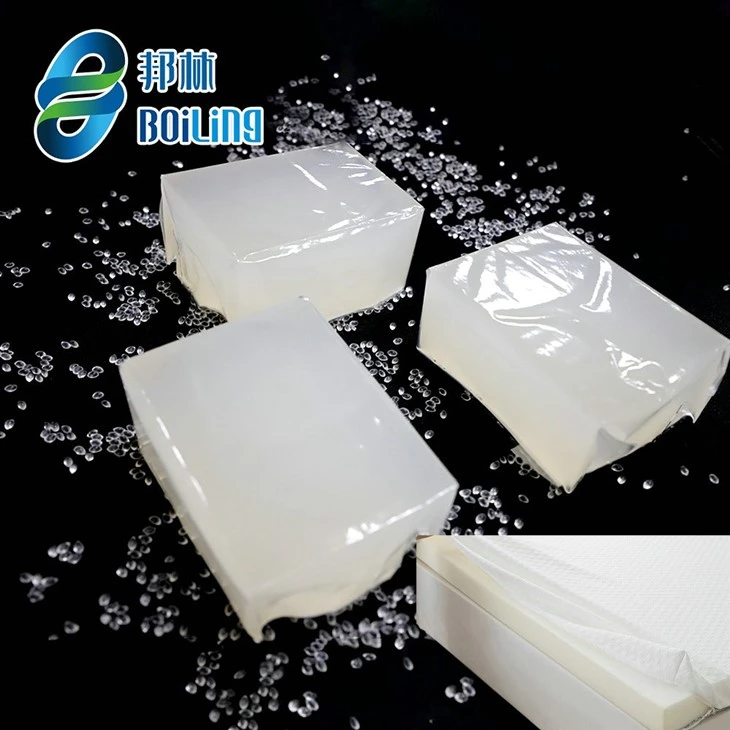

Polyolefin Hot Melt
Polyolefin Hot Melt is a versatile adhesive that can be used in a variety of mattress manufacturing processes. It has a high melting point, which makes it suitable for applications where the mattress may be exposed to high temperatures.
Polyolefin hot melt offers good adhesion to a wide range of substrates, including foam, fabric, and metal. It is also resistant to water and chemicals, providing long - term durability. However, it may be more expensive than traditional glues, and the application process requires careful control of temperature and pressure.
Considerations for Choosing an Alternative
When choosing an alternative to mattress glue, several factors need to be considered. First and foremost is the performance of the alternative. It should provide a strong and durable bond that can withstand the normal use and movement of the mattress.
Cost is another important factor. Some alternatives, such as mechanical fasteners and sewing, may require a higher initial investment in equipment and labor. However, they may result in long - term savings due to reduced waste and lower replacement costs.
Environmental impact is also a significant consideration. Consumers are becoming more environmentally conscious, and they are more likely to choose a mattress that is made with sustainable materials and manufacturing processes. Alternatives that are non - toxic, reusable, and recyclable are more likely to appeal to this growing market segment.
Finally, the aesthetic appeal of the mattress should not be overlooked. The alternative should not detract from the overall look and feel of the product.
Conclusion
In conclusion, there are several alternatives to mattress glue available, each with its own set of advantages and disadvantages. As a mattress glue supplier, I understand the importance of providing our customers with a range of options to meet their specific needs. Whether it's mechanical fasteners, sewing, or alternative adhesives, we can help manufacturers make an informed decision based on performance, cost, environmental impact, and aesthetic considerations.
If you are a mattress manufacturer interested in exploring these alternative options or if you have any questions about our existing mattress glue products, we encourage you to contact us for a detailed discussion. We are committed to providing you with the best solutions for your mattress manufacturing needs.
References
- "Mattress Manufacturing: A Comprehensive Guide", Industry Publications Inc., 2020
- "Sustainable Materials in Mattress Production", Environmental Science Journal, Vol. 15, No. 3, 2021
- "Adhesives and Fasteners in the Furniture Industry", Furniture Technology Review, 2019