

Hey there! As a hot melt adhesive supplier, I often get asked if hot melt adhesive can be used for shoe repair. Well, let's dive right into it and find out.
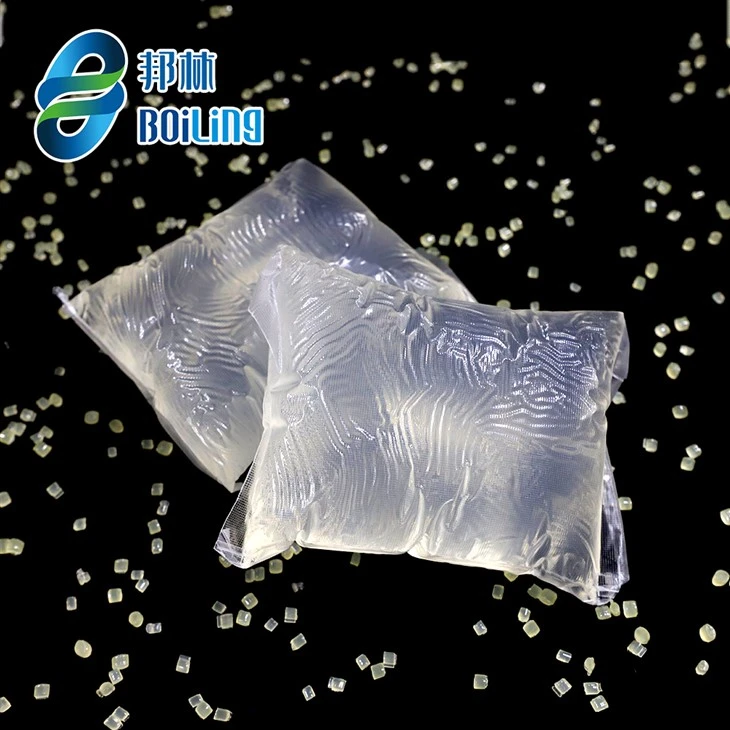
First off, what exactly is hot melt adhesive? It's a type of adhesive that comes in a solid form and melts when heated. Once it cools down, it forms a strong bond. It's widely used in various industries because of its fast bonding time, strong adhesion, and versatility.
Now, can it be used for shoe repair? The short answer is yes, it can. But like with any solution, there are pros and cons to consider.
The Pros of Using Hot Melt Adhesive for Shoe Repair
Strong Bond
One of the biggest advantages of hot melt adhesive is its ability to create a strong bond. When you're walking around, your shoes take a lot of stress. The soles bend, twist, and come into contact with all sorts of surfaces. A good hot melt adhesive can hold up well under these conditions, keeping the different parts of your shoes together. For example, if the sole of your shoe has started to separate from the upper part, a high - quality hot melt adhesive can reattach it firmly.
Quick Drying
Time is of the essence, especially when you rely on your shoes for daily activities. Hot melt adhesive dries very quickly. Once you apply it and press the parts together, it starts to solidify almost immediately. This means you don't have to wait hours or even days for the glue to dry like you might with some other types of adhesives. You can get back to using your shoes in no time.
Versatility
Hot melt adhesives come in different formulations, which makes them suitable for various types of shoes. Whether you have leather shoes, rubber - soled shoes, or even synthetic materials, there's likely a hot melt adhesive that can work for you. This is great because it gives you a one - stop solution for all your shoe repair needs.
The Cons of Using Hot Melt Adhesive for Shoe Repair
Heat Sensitivity
Since hot melt adhesive relies on heat to melt, it can be sensitive to high temperatures. If you expose your repaired shoes to extreme heat, like leaving them in a hot car on a summer day or near a heater, the adhesive might start to soften. This could lead to the bond weakening and the parts of the shoe coming apart again.
Limited Flexibility
Some hot melt adhesives can be a bit rigid once they dry. Shoes need to be flexible to accommodate the movement of your feet. If the adhesive is too stiff, it might not be able to flex with the shoe, which could cause stress on the bond over time. This is especially important for shoes that are used for activities like running or sports.
Application Complexity
Applying hot melt adhesive requires some skill. You need to heat the adhesive to the right temperature and apply it evenly. If you don't do it correctly, the bond might not be as strong as it should be. Also, if you use too much adhesive, it can make a mess and might not look very good on your shoes.
Types of Hot Melt Adhesives for Shoe Repair
There are a few different types of hot melt adhesives that can be used for shoe repair.
One option is Spray Coating Hot Melt Pressure Sensitive Adhesive. This type of adhesive is great for large - area applications. It can be sprayed onto the surfaces that need to be bonded, which makes it easy to cover a wide area evenly. It also has good pressure - sensitive properties, meaning it can stick well just by applying pressure.
Another type is Solid Hot Melt Pressure Sensitive Glue. This comes in a solid form and is often used with a glue gun. It's a popular choice for more precise repairs. You can control the amount of adhesive you apply more easily with a glue gun, which is useful for smaller areas or for making detailed repairs.
Tips for Using Hot Melt Adhesive for Shoe Repair
If you decide to use hot melt adhesive for shoe repair, here are some tips to help you get the best results:
Prepare the Surfaces
Before applying the adhesive, make sure the surfaces of the shoe are clean and dry. Remove any dirt, dust, or old adhesive. You can use a mild soap and water to clean the areas, and then let them dry completely. This will help the adhesive bond better.
Test the Adhesive
It's a good idea to test the adhesive on a small, inconspicuous area of the shoe first. This will allow you to see how it reacts with the material and if it dries the way you expect. You can also check the bond strength after it dries to make sure it's suitable for your needs.
Use the Right Tools
As mentioned earlier, applying hot melt adhesive requires the right tools. If you're using a solid hot melt adhesive, a glue gun is essential. Make sure the glue gun is the right temperature for the adhesive you're using. You can usually find this information on the adhesive packaging.
Apply Even Pressure
When you press the parts of the shoe together after applying the adhesive, make sure to apply even pressure. You can use clamps or hold the parts firmly for a few minutes to ensure a good bond. This will help the adhesive spread evenly and create a strong connection.

Conclusion
So, can hot melt adhesive be used for shoe repair? Absolutely! It has its advantages and disadvantages, but with the right type of adhesive and proper application, it can be a great solution for fixing your shoes. Whether you're dealing with a small tear or a separated sole, hot melt adhesive can come to the rescue.
If you're interested in purchasing hot melt adhesive for shoe repair or other applications, feel free to reach out to us. We're here to help you find the right product for your needs and provide you with all the support you need during the purchasing process.
References
- "Adhesives in the Footwear Industry" - Industry research report on adhesive applications in footwear
- Manufacturer's guides for different types of hot melt adhesives