

Can low temperature hot glue be used for curtain making?
As a supplier of low temperature hot glue, I often get asked about the various applications of our product. One question that has been coming up frequently lately is whether low temperature hot glue can be used for curtain making. In this blog post, I'll delve into this topic, exploring the viability, advantages, and considerations when using low temperature hot glue in curtain production.
Understanding Low Temperature Hot Glue
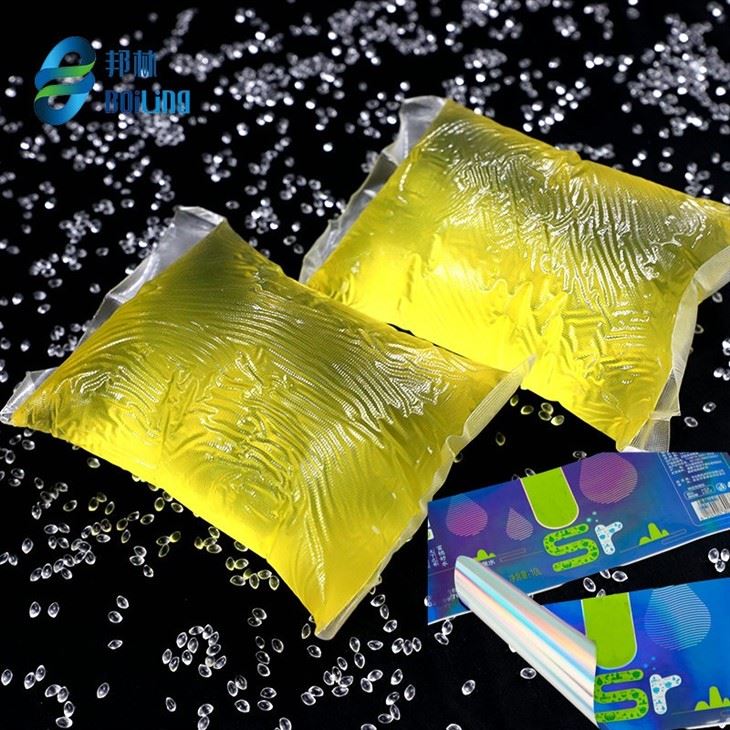
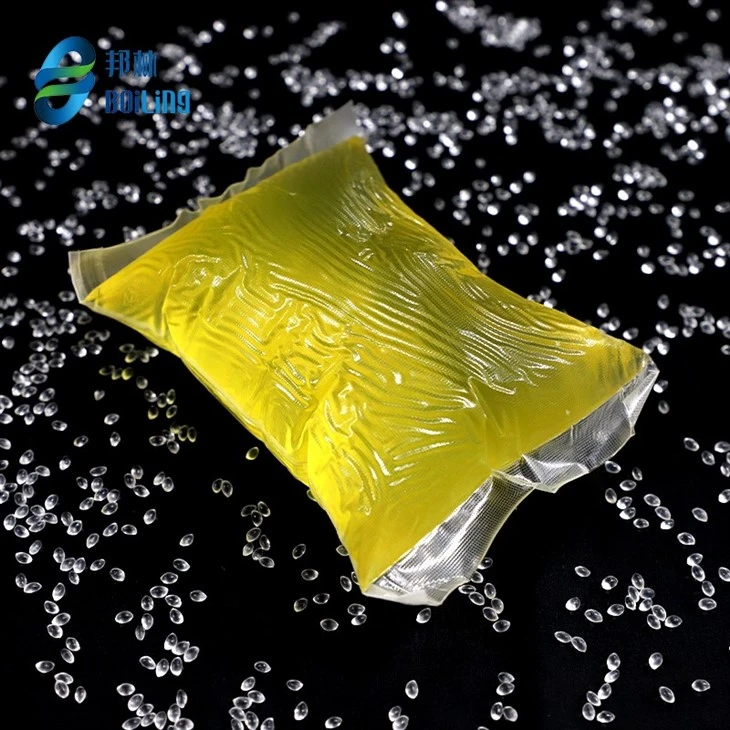
Low temperature hot glue is a type of adhesive that melts at a lower temperature compared to traditional hot glue. This characteristic makes it safer to handle, reducing the risk of burns and damage to heat - sensitive materials. It typically has a melting point ranging from around 176°F to 250°F (80°C to 121°C), while standard hot glue can melt at temperatures upwards of 380°F (193°C).
Our low temperature hot glue is formulated to offer strong bonding properties. It adheres well to a variety of materials, including fabrics, plastics, and wood. Moreover, it sets relatively quickly, which can increase productivity in manufacturing processes.
Suitability for Curtain Making
Material Compatibility
Curtains are commonly made from a range of fabrics such as cotton, polyester, silk, and blends. Low temperature hot glue is generally compatible with these materials. The lower melting temperature ensures that the fabric won't be scorched or warped during the bonding process. For instance, delicate silk curtains can be safely assembled using low temperature hot glue without the fear of the fabric losing its luster or texture.
Bonding Strength
When it comes to curtain making, the adhesive needs to provide sufficient bonding strength. Low temperature hot glue forms a durable bond that can withstand the normal wear and tear of curtain use. Whether it's attaching curtain linings, hemming the edges, or affixing decorative elements like trims and tassels, our low temperature hot glue can hold up well.
Aesthetic Appeal
The glue dries clear in most cases, which is a significant advantage for curtain making. This means that it won't leave unsightly marks on the fabric, preserving the overall aesthetic of the curtain. Additionally, it can be used for intricate designs and fine details, allowing for creative and professional - looking curtain designs.
Advantages of Using Low Temperature Hot Glue in Curtain Making
Safety
As mentioned earlier, the lower melting temperature reduces the risk of burns to workers. In a curtain manufacturing environment, where multiple employees may be handling the adhesive, this is a crucial safety feature. It also minimizes the risk of fire hazards, as there is less chance of the glue overheating and igniting nearby materials.
Efficiency
Low temperature hot glue sets quickly, which speeds up the curtain production process. Workers can move on to the next step in the manufacturing process without having to wait for long periods for the glue to dry. This increased efficiency can lead to higher production volumes and potentially lower costs.
Versatility
In addition to basic curtain assembly, low temperature hot glue can be used for a variety of other curtain - related tasks. For example, it can be used to attach curtain rings or hooks, or to repair damaged curtains. Its versatility makes it a valuable tool in the curtain making industry.
Considerations When Using Low Temperature Hot Glue for Curtains
Washing and Cleaning
While low temperature hot glue forms a strong bond, it may not be completely resistant to water and detergents. Curtains are often washed periodically, and the glue may weaken or dissolve over time with repeated exposure to water and cleaning agents. However, for curtains that are not frequently washed, such as decorative or formal curtains, this may not be a significant issue.
Temperature and Humidity
Extreme temperatures and high humidity can affect the performance of low temperature hot glue. In very cold environments, the glue may become brittle and lose its bonding strength. On the other hand, in hot and humid conditions, it may soften and become less effective. It's important to store the glue and the finished curtains in appropriate environmental conditions.
Our Product Range
We offer a variety of low temperature hot glue products that are suitable for curtain making. Our High - Performance Hot Melt Adhesive For PET Labeling can be used for attaching labels or decorative elements to curtains. It provides a strong and reliable bond, even on smooth polyester fabrics.
Our Low Temperature Resistance PSA Hot Melt Adhesive is designed to maintain its performance in colder temperatures, which is useful for curtains in cooler climates. It also has good adhesion properties, ensuring that the curtain components stay in place.
The Sealing Strip Label Hot Melt Adhesive can be used for hemming and sealing the edges of curtains. It creates a neat and durable finish, preventing fraying and adding to the overall quality of the curtain.
Conclusion
In conclusion, low temperature hot glue can be a great option for curtain making. Its material compatibility, bonding strength, safety features, and efficiency make it a viable choice for both small - scale and large - scale curtain production. However, it's important to consider factors such as washing requirements and environmental conditions.
If you're in the curtain making business or are interested in using low temperature hot glue for your curtain projects, we'd love to hear from you. Our team of experts can provide you with more information about our products and help you choose the right adhesive for your specific needs. Contact us to start a discussion about your procurement requirements and let's work together to create high - quality curtains.
References
- "Adhesive Technology Handbook", Third Edition, by John A. Duffy
- "Textile Science and Technology: Dyeing, Printing, Finishing and Performance", edited by Christopher C. Cooke