

Hey there! As a supplier of pest control glue, I often get asked some interesting questions. One that pops up quite a bit is, "Can pest control glue be frozen?" Well, let's dive right into this topic and find out.
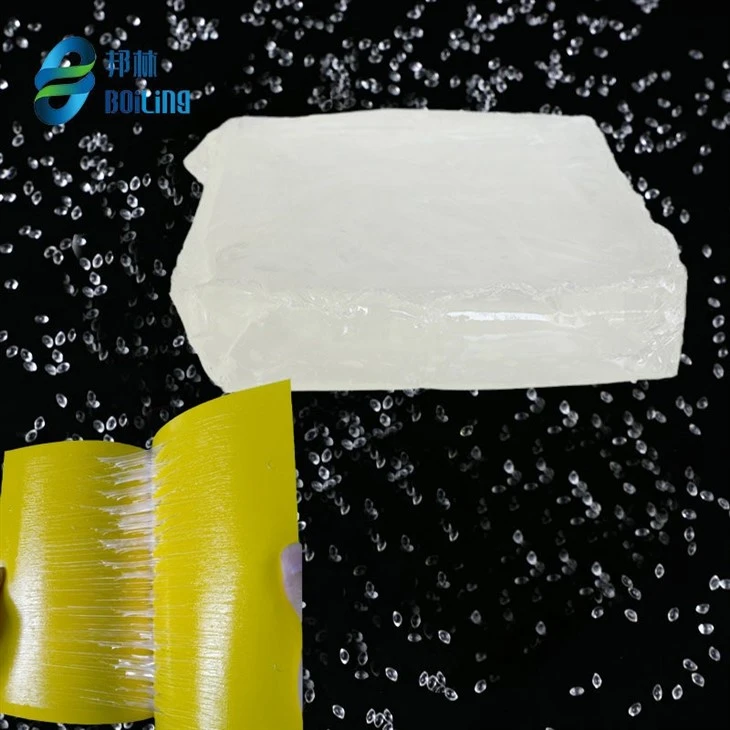
First off, let's understand what pest control glue is all about. There are different types of pest control glues out there, like Pest Control Hot Melt Adhesive Glue, Insect Hot Melt Glue, and Fruit Fly Trap Glue. These glues are designed to trap various pests, from insects to rodents. They work by sticking to the pests' bodies when they come into contact with the glue, preventing them from escaping.
Now, back to the main question: Can you freeze pest control glue? The answer isn't a simple yes or no. It depends on a few factors.
The Composition of the Glue
Most pest control glues are made up of polymers and other additives. Polymers are long chains of molecules that give the glue its sticky properties. When you freeze these glues, the low temperature can cause the polymers to change their structure. In some cases, the glue might become more brittle. This means that when it thaws, it may not have the same level of stickiness as before.
For example, if you freeze a hot melt adhesive glue, which is one of the common types used in pest control, the heat that's usually used to apply it could have a different effect on the frozen - thawed glue. The polymers might not melt and spread as evenly as they should, resulting in a less effective trapping surface.
Storage Conditions
If you're thinking about freezing pest control glue, you need to consider the storage conditions. Freezing temperatures can vary. A freezer set at -18°C (0°F) will have a different impact on the glue compared to a freezer with a slightly higher temperature.
Also, the length of time the glue is frozen matters. Short - term freezing, say for a few hours, might not cause too much damage. But if you leave the glue in the freezer for weeks or months, the chances of it losing its effectiveness increase.
Another thing to keep in mind is the packaging. If the glue is not properly sealed before freezing, moisture can get in. When the glue thaws, this moisture can cause the glue to clump or develop mold, which is definitely not good for pest control purposes.

Testing the Glue After Freezing
If you're still curious about freezing your pest control glue, it's a good idea to do a small test. Take a small sample of the glue, freeze it for a specific period, and then thaw it. After that, test its stickiness. You can do this by placing a small object, like a piece of paper or a small insect (if you're okay with that), on the glue and seeing how well it sticks.
If the glue passes your test, then it might be okay to freeze the rest of it. But if you notice a significant decrease in stickiness or other issues, it's probably best to avoid freezing the main supply.
Potential Benefits of Freezing
There are some situations where freezing pest control glue could have benefits. For instance, if you have a large quantity of glue that you won't use for a long time, freezing it could slow down the natural degradation process. Some glues can start to lose their stickiness over time due to exposure to air, heat, and light. By freezing the glue, you can extend its shelf - life.
However, this benefit has to be weighed against the potential risks. You need to make sure that the freezing process doesn't cause more harm than good.
Alternatives to Freezing
If you're worried about the negative effects of freezing, there are other ways to store pest control glue. Keep it in a cool, dry place away from direct sunlight. A pantry or a storage cabinet can be a good option. Just make sure the temperature in the storage area is relatively stable.
Also, always check the manufacturer's instructions for storage. They usually provide guidelines on the best way to keep the glue in optimal condition.
In conclusion, while it's possible to freeze pest control glue, it's a decision that should be made with caution. You need to consider the type of glue, the storage conditions, and the potential impact on its effectiveness. If you're unsure, it's always a good idea to contact the manufacturer or supplier for advice.
As a supplier of pest control glue, I want to make sure that you get the best results from our products. We've put a lot of research and development into creating glues that are highly effective at trapping pests. Whether you're dealing with fruit flies, cockroaches, or rodents, our Pest Control Hot Melt Adhesive Glue, Insect Hot Melt Glue, and Fruit Fly Trap Glue are designed to do the job.
If you're in the market for high - quality pest control glue, we'd love to have a chat with you. Whether you're a pest control professional or a homeowner looking for a solution to your pest problems, we can provide you with the right products and advice. Reach out to us to start a discussion about your pest control needs and how our glue can help you.
References
- "Polymers in Adhesives" - A textbook on polymer science and its applications in adhesives.
- Manufacturer's guidelines for various pest control glue products.