

Yo, folks! As a supplier of structural adhesives, I often get asked this burning question: "Can structural adhesive be thinned or thickened?" Well, let's dive right into it and break it down.
First off, let's understand what structural adhesives are. These bad boys are used to bond materials together in a way that can withstand significant loads and stresses. They're like the superheroes of the bonding world, holding things together in all sorts of applications, from construction to automotive and beyond.
Now, back to the main question. Can you thin or thicken structural adhesives? The short answer is yes, but it's not as simple as just adding water or some random thickening agent. There are a few things you need to consider.
Thinning Structural Adhesives
Thinning a structural adhesive can be useful in several situations. Maybe you need a more fluid consistency to make it easier to apply, especially in tight spaces or when you're working with delicate materials. Or perhaps you're aiming for a more even spread.
But here's the deal. You can't just use any old solvent to thin the adhesive. You need to use a solvent that's compatible with the adhesive's chemistry. If you use the wrong solvent, it can mess up the adhesive's properties. For example, it might weaken the bond strength, cause it to dry too quickly or too slowly, or even make it brittle.
Most structural adhesive manufacturers provide guidelines on which solvents are safe to use for thinning. These solvents are usually specifically formulated to work with their adhesives. So, before you start thinning your adhesive, check the product datasheet or contact the manufacturer. It's always better to be safe than sorry.
For instance, some epoxy - based structural adhesives can be thinned with acetone or a specialized epoxy thinner. But you have to be careful with the amount you add. Adding too much solvent can lead to problems. A good rule of thumb is to start with a small amount, maybe a few drops at a time, and then test the consistency. You can always add more if needed, but it's hard to take it back once you've added too much.
Thickening Structural Adhesives
On the flip side, thickening a structural adhesive can also come in handy. Maybe you're working on a vertical surface, and you need the adhesive to stay in place without dripping. Or you're using the adhesive to fill gaps, and you need a thicker consistency to hold its shape.
Just like thinning, thickening also requires the right approach. You can't just throw any thickening agent into the mix. There are specific thickeners designed for different types of structural adhesives.
For example, for polyurethane - based structural adhesives, fumed silica is a commonly used thickener. It can increase the viscosity of the adhesive without significantly affecting its bonding properties. But again, you need to follow the manufacturer's instructions on how much to add.
Too much thickener can make the adhesive too thick to work with. It can become difficult to mix, apply, and might even result in a weaker bond. So, it's all about finding that sweet spot.
Considerations for Changing Consistency
Whether you're thinning or thickening a structural adhesive, there are a few things to keep in mind.
First, the temperature plays a crucial role. The viscosity of an adhesive can change with temperature. In general, adhesives become thinner at higher temperatures and thicker at lower temperatures. So, if you're planning to adjust the consistency, make sure you do it in a stable temperature environment. Otherwise, the changes in temperature later on might affect the consistency of the adhesive you've just adjusted.
Second, the curing time. Altering the consistency of the adhesive can also affect how long it takes to cure. Thinning an adhesive might speed up the curing process, while thickening it could slow it down. This is important because if you're working on a project with a tight deadline, you need to know how the changes will impact the overall project timeline.
Our Product Range and Applications
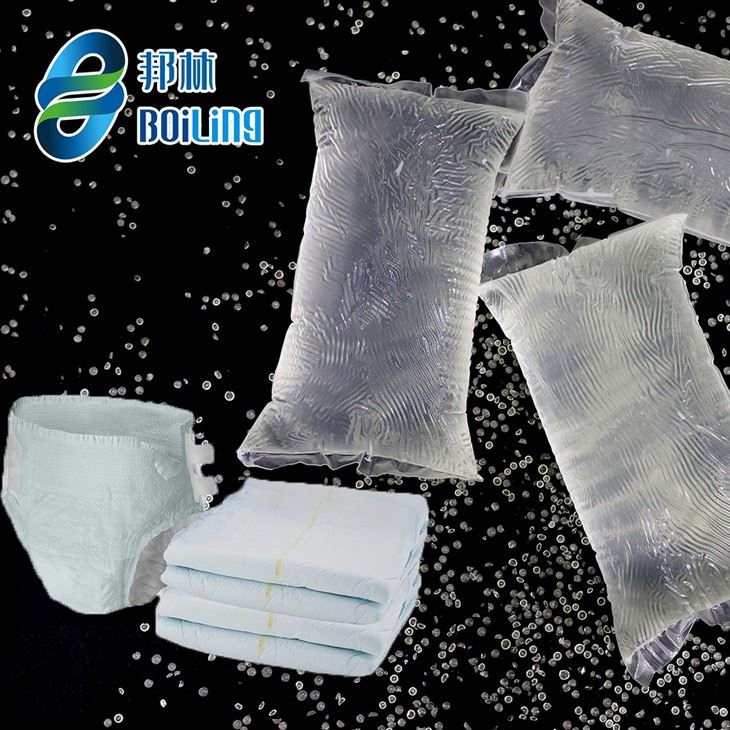
As a structural adhesive supplier, we offer a wide range of products tailored to different needs. For example, we have the Hot Melt Adhesive For Sanitary Adult Diaper. This adhesive is specifically designed for the sanitary product industry. It provides a strong and reliable bond, ensuring the integrity of the adult diaper during use.
Another great product is our Disposable Table Mats Hot Melt Adhesive. This adhesive is perfect for bonding the layers of disposable table mats together. It has the right consistency and bonding strength to keep the mats in one piece, even when in use.
And for those in the baby diaper industry, our Baby Diaper Positioning Hot Melt Adhesive is a game - changer. It helps in positioning the different components of the baby diaper accurately and provides a secure bond, ensuring the comfort and safety of the little ones.

Conclusion and Call to Action
So, can structural adhesives be thinned or thickened? Absolutely! But you need to do it right. Always follow the manufacturer's guidelines, consider the temperature and curing time, and choose the right thinning or thickening agents.
If you're in the market for high - quality structural adhesives or have any questions about adjusting their consistency, we're here to help. Whether you're working on a large - scale industrial project or a small DIY job, we've got the products and expertise to support you. Reach out to us for more information and let's start a conversation about how our structural adhesives can meet your needs.
References
- Manufacturer's product datasheets for various structural adhesives.
- Technical literature on adhesive chemistry and application.