

Hey there! As a supplier of bottle caps glue, I often get asked a pretty interesting question: "Does glue for rubber work on bottle caps?" Well, let's dive right into this topic and find out.
First off, we need to understand the different types of bottle caps and the materials they're made of. There are all sorts of bottle caps out there - from the ones on your everyday water bottles to the fancy ones on wine bottles and cosmetic containers. These caps can be made from plastic, metal, glass, or a combination of materials. And then there's rubber, which is used in some caps for its flexibility and sealing properties.
Now, when it comes to gluing these bottle caps, the type of glue you choose is super important. Glue for rubber is designed to bond rubber materials together or to other surfaces. It usually has properties like flexibility, resistance to water and chemicals, and good adhesion to rubber. But does that mean it'll work well on bottle caps?
Let's start with plastic bottle caps. Plastic is a common material for bottle caps because it's lightweight, cheap, and easy to mold. Some glues for rubber might work on plastic bottle caps, but it really depends on the type of plastic. There are different kinds of plastics, like polyethylene (PE), polypropylene (PP), and polystyrene (PS). Some plastics are more difficult to bond than others because of their smooth surfaces and low surface energy. For example, PP is known for being a bit of a challenge to glue. A rubber glue might not adhere well to PP bottle caps unless it's specifically formulated to bond to polyolefin plastics.
On the other hand, if you're dealing with a softer plastic or a plastic that has a more porous surface, a rubber glue could potentially work. But you'd still need to test it first to make sure the bond is strong enough and that it doesn't cause any damage to the plastic, like cracking or discoloration.
What about metal bottle caps? Metal caps are often used on beer bottles, soda cans, and some high - end product bottles. Glue for rubber might not be the best choice here. Metal has different surface properties compared to rubber. It's usually smooth and non - porous, and it can be prone to corrosion. A rubber glue might not form a strong enough bond with metal, and it might not be able to withstand the pressure and stress that bottle caps often experience. For metal bottle caps, you'd probably want to use a glue that's specifically designed for metal bonding, like an epoxy or a metal - specific adhesive.
Glass bottle caps are another story. Glass is a hard, smooth surface, and it's chemically inert. A rubber glue might not adhere well to glass because it can't penetrate the surface or form a strong molecular bond. You'd be better off using a glue that's made for glass, such as a silicone - based adhesive or a specialized glass glue.
Now, let's talk about wine bottle caps. Wine bottle caps need to provide a good seal to keep the wine fresh and prevent oxidation. Wine Bottle Caps Hot Melt Adhesive is a great option for this. Hot melt adhesives are designed to bond quickly and provide a strong, reliable seal. They can withstand the temperature changes and the pressure inside the bottle. A rubber glue might not be suitable for wine bottle caps because it might not have the right properties to create a long - lasting, airtight seal.
Cosmetic bottle caps also have specific requirements. They need to look good, be easy to open and close, and provide a proper seal to keep the cosmetic product inside fresh. Cosmetic Bottle Cap Hot Melt Adhesive is formulated to meet these needs. It can bond well to different types of materials used in cosmetic bottle caps, like plastic and metal. A rubber glue might not be the best fit here because it might not have the aesthetic appeal or the chemical resistance required for cosmetic products.
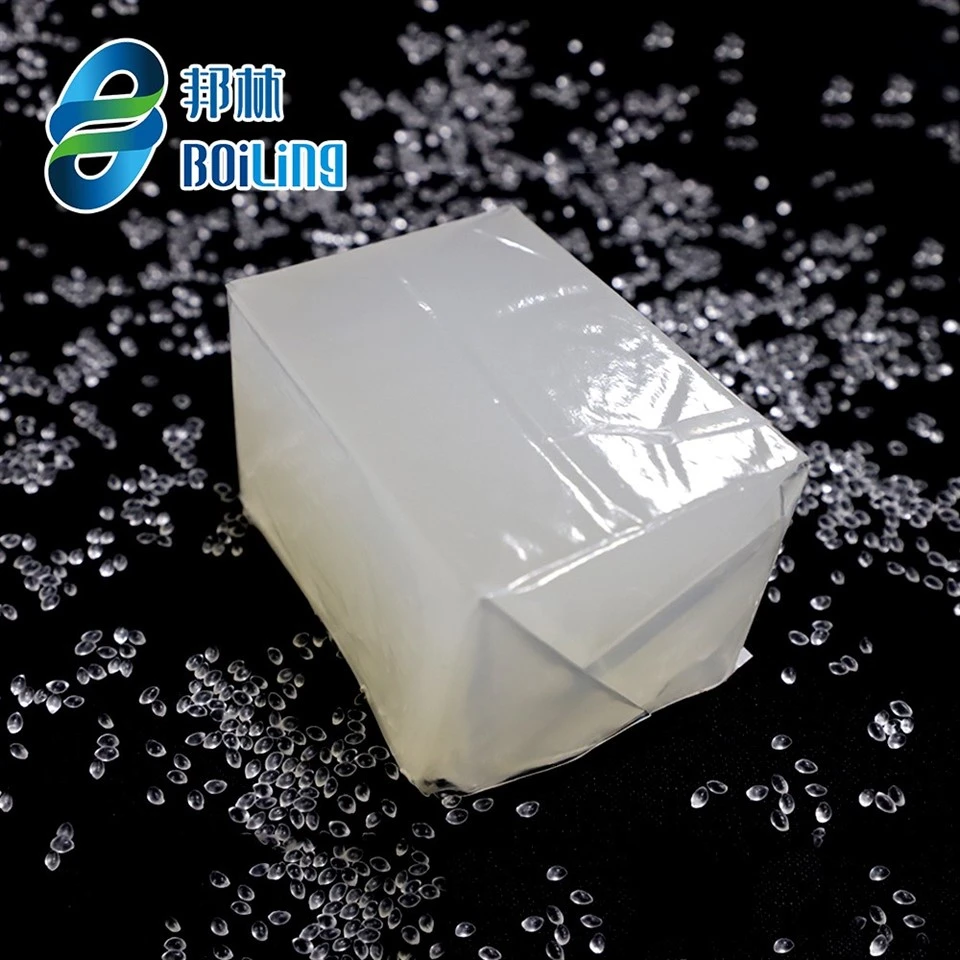
As a bottle caps glue supplier, I offer Bottle Cap Hot Melt Glue. This type of glue is specifically designed for bottle caps. It has several advantages. First, it bonds quickly, which means you can increase your production speed. Second, it provides a strong and durable bond that can withstand the normal wear and tear that bottle caps go through. Third, it's available in different formulations to suit different types of bottle cap materials and applications.
If you're in the business of making or using bottle caps, you need to choose the right glue. Don't just assume that a glue for rubber will work on all types of bottle caps. It's always a good idea to do some testing before you commit to a large - scale use of a particular glue. You can test the adhesion strength, the resistance to environmental factors like heat, cold, and moisture, and the overall performance of the glue on your specific bottle cap materials.
In conclusion, while glue for rubber might work on some bottle caps, it's not a one - size - fits - all solution. For most bottle cap applications, it's better to use a glue that's specifically formulated for bottle caps. If you're looking for a reliable and high - quality bottle caps glue, I'm here to help. Whether you're making wine bottles, cosmetic containers, or any other type of bottle, I can provide you with the right adhesive solution.
If you're interested in learning more about our bottle caps glue or want to discuss your specific needs, feel free to reach out. We can have a chat about your requirements and find the best glue for your bottle caps. Let's work together to ensure that your bottle caps are securely bonded and perform at their best.

References
- "Adhesives Technology Handbook"
- "Plastics and Rubber Materials: Properties and Applications"