

Pest control glue is a fundamental tool in the battle against unwanted insects and rodents. As a supplier of high - quality pest control glue, I often encounter a common question from customers: Does pest control glue dry out? This blog post aims to delve into this topic, providing a comprehensive understanding of the factors affecting the drying of pest control glue, its implications, and how to maintain its effectiveness.
Understanding Pest Control Glue
Before discussing whether pest control glue dries out, it's essential to understand what it is. Pest control glue is a type of adhesive specifically designed to trap pests. There are different types of pest control glues available on the market, each with its unique properties and applications.
One popular type is the Pest Control Adhesive. This adhesive is known for its strong sticking power and versatility. It can be used on various surfaces and is effective against a wide range of pests, from small insects to larger rodents.
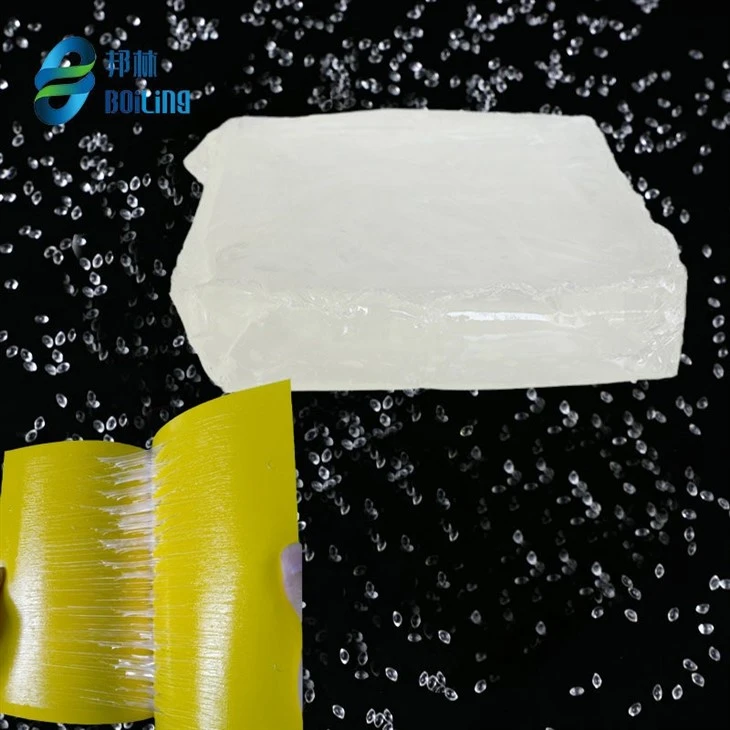
Another type is the Yellow Board Hot Melt Glue. This glue is commonly used on yellow sticky boards, which are highly attractive to flying insects such as aphids, whiteflies, and thrips. The hot - melt nature of this glue allows for easy application and a quick setting time.
The Insect Hot Melt Glue is also a significant product in our inventory. It is formulated to be especially effective against insects, with a high tackiness that ensures insects are firmly trapped upon contact.

Factors Affecting the Drying of Pest Control Glue
Several factors can influence whether pest control glue dries out. These factors can be broadly categorized into environmental factors and product - related factors.
Environmental Factors
- Temperature: Temperature plays a crucial role in the drying process of pest control glue. High temperatures can accelerate the evaporation of solvents in the glue, causing it to dry out more quickly. For example, in a hot and dry climate, the glue may dry within a few days or even hours, depending on the formulation. On the other hand, low temperatures can slow down the drying process. In cold environments, the glue may remain sticky for a longer period, but it may also become less effective as its viscosity changes.
- Humidity: Humidity levels can also impact the drying of pest control glue. In high - humidity environments, the moisture in the air can prevent the glue from drying properly. The glue may absorb the moisture, which can lead to a decrease in its tackiness and effectiveness. Conversely, in low - humidity environments, the glue is more likely to dry out as the lack of moisture promotes evaporation.
- Air Circulation: Good air circulation can speed up the drying of pest control glue. When there is a constant flow of air around the glue, it helps to carry away the solvents and moisture, facilitating the drying process. In enclosed spaces with poor air circulation, the glue may take longer to dry.
Product - Related Factors
- Formulation: The formulation of the pest control glue is a key factor in determining its drying characteristics. Some glues are designed to dry quickly, while others are formulated to remain sticky for an extended period. For example, glues with a high solvent content are more likely to dry out faster as the solvents evaporate. Glues that contain plasticizers or other additives may have a longer shelf - life and remain sticky for a longer time.
- Thickness of Application: The thickness of the glue layer also affects its drying time. A thicker layer of glue will take longer to dry compared to a thinner layer. This is because it takes more time for the solvents and moisture in the thicker layer to evaporate.
Implications of Drying Out
When pest control glue dries out, it can have several implications for its effectiveness.
- Reduced Trapping Ability: The primary function of pest control glue is to trap pests. Once the glue dries out, its tackiness decreases, making it less likely to capture pests. Insects or rodents may be able to walk or fly over the dried glue without getting stuck.
- Shortened Lifespan: Dried - out glue has a shorter lifespan in terms of its pest - control effectiveness. This means that users may need to replace the glue more frequently, which can increase the cost and effort of pest control.
- Aesthetic Issues: Dried - out glue can also be an aesthetic problem. It may become brittle, crack, or leave unsightly residues on surfaces. This can be particularly problematic in areas where appearance is important, such as in homes or commercial establishments.
How to Maintain the Effectiveness of Pest Control Glue
To ensure that pest control glue remains effective, it is important to take appropriate measures to prevent it from drying out.
- Proper Storage: Store the pest control glue in a cool, dry place away from direct sunlight. This helps to maintain the stability of the glue and prevent premature drying. Make sure the container is tightly sealed to prevent air and moisture from entering.
- Optimal Application: Apply the glue at the recommended thickness. Avoid applying it too thickly, as this can increase the drying time and may also lead to uneven drying. Follow the manufacturer's instructions regarding the application method and surface preparation.
- Environmental Control: If possible, control the environmental conditions where the glue is used. In hot and dry environments, consider using a humidifier to increase the humidity level. In cold environments, use a heater to maintain a moderate temperature. In areas with poor air circulation, use fans to improve air movement.
Conclusion
In conclusion, pest control glue can dry out, and this process is influenced by various environmental and product - related factors. The drying of the glue can have significant implications for its effectiveness, including reduced trapping ability, shortened lifespan, and aesthetic issues. However, by understanding these factors and taking appropriate measures to maintain the glue's effectiveness, users can ensure that their pest control efforts are successful.
As a supplier of pest control glue, we are committed to providing high - quality products that meet the diverse needs of our customers. Our range of Pest Control Adhesive, Yellow Board Hot Melt Glue, and Insect Hot Melt Glue are formulated to offer long - lasting stickiness and excellent pest - trapping performance.
If you are interested in purchasing our pest control glue products or have any questions about their use and maintenance, we encourage you to contact us for a purchasing consultation. We look forward to working with you to achieve effective pest control solutions.
References
- "Adhesive Technology Handbook" by John A. Dorsey
- "Pest Management in Agriculture" by David Pimentel