

Hey there! As a supplier of adhesive coated paper, I've seen firsthand how the surface texture of this paper can have a huge impact on its performance. In this blog post, I'm gonna break down the relationship between surface texture and performance, and why it matters for you, whether you're in the packaging, labeling, or any other industry that relies on adhesive coated paper.
Let's start with the basics. Adhesive coated paper is, well, paper with an adhesive layer on one or both sides. This adhesive allows the paper to stick to various surfaces, making it super useful for things like labels, tapes, and packaging seals. But the performance of this paper isn't just about the quality of the adhesive; the surface texture of the paper itself plays a crucial role.
How Surface Texture Affects Adhesion
One of the most important aspects of adhesive coated paper is its ability to stick firmly to a surface. The surface texture can either help or hinder this process. A rough surface texture can provide more contact points for the adhesive. Think of it like Velcro. The tiny hooks and loops in Velcro create a strong bond because there are so many points of contact. Similarly, a rough paper surface gives the adhesive more areas to grip onto, which can lead to better adhesion.

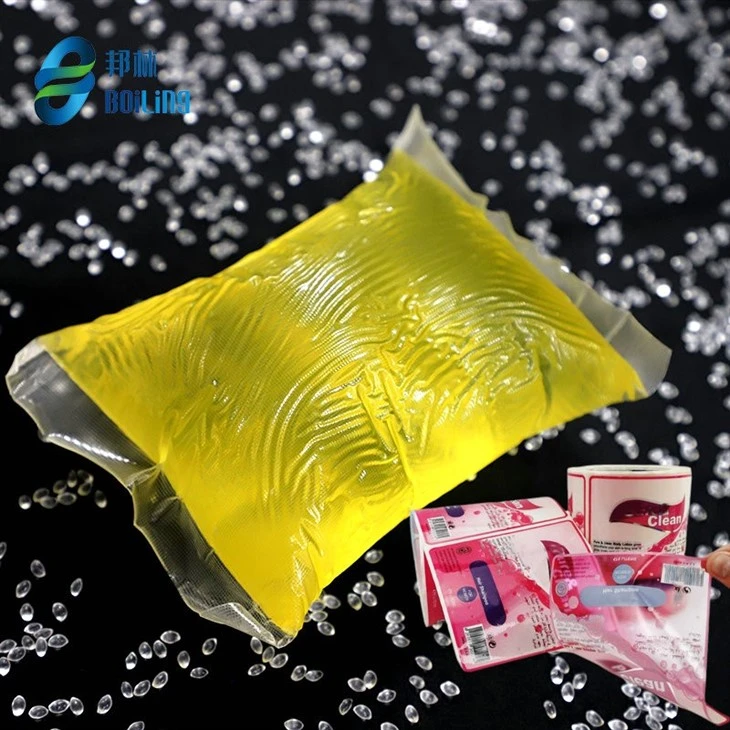
On the other hand, a smooth surface might seem like it would be ideal for a clean look, but it can actually pose problems. With fewer contact points, the adhesive has less to hold onto. This can result in weaker adhesion, especially on surfaces that are also smooth. For example, if you're using adhesive coated paper to label a glass bottle, a smooth paper surface might not stick as well as a slightly rough one.
Impact on Print Quality
Another area where surface texture makes a big difference is print quality. If you're printing on adhesive coated paper, the texture can affect how the ink spreads and adheres to the paper. A rough surface can absorb ink differently than a smooth one. In some cases, a rough texture can cause the ink to spread unevenly, leading to a less sharp image. However, it can also give the print a more textured, tactile feel, which might be desirable for certain applications.
Smooth surfaces, on the other hand, generally allow for more precise printing. The ink can spread evenly, resulting in sharp, clear images. This is why smooth adhesive coated paper is often preferred for high - end labels or packaging where a professional, polished look is important.
Durability and Resistance
The surface texture of adhesive coated paper can also influence its durability and resistance to various factors. A rough surface can be more resistant to wear and tear. It can better withstand friction and abrasion because the texture provides a bit of a buffer. For example, if your adhesive coated paper is going to be used in a packaging application where it might rub against other items during shipping, a rough surface can help prevent the adhesive from being damaged or the paper from tearing.
Smooth surfaces, while they might look great, can be more prone to scratches and damage. They also might not be as resistant to moisture. A rough surface can sometimes have better water - repellent properties because the texture can create small pockets of air that act as a barrier against water.
Different Applications and Ideal Textures
Now, let's talk about how different applications call for different surface textures.
Packaging
In the packaging industry, durability and adhesion are key. For products that are going to be shipped long distances or handled roughly, a slightly rough adhesive coated paper can be a great choice. It will stick well to the packaging material and resist damage during transit. For example, if you're using adhesive coated paper for sealing boxes, a rough texture can ensure that the seal stays intact.
Labeling
Labeling has a wide range of requirements. For product labels that need to look professional and have high - quality printing, a smooth surface is often preferred. This is especially true for labels on consumer goods like cosmetics or electronics. However, for labels that need to stick well to irregular or textured surfaces, like wooden products or fabric, a rough surface can provide better adhesion.
Tapes
Adhesive tapes also benefit from the right surface texture. A rough surface can increase the friction between the tape and the surface it's applied to, making it less likely to slip. This is important for applications where the tape needs to hold a heavy object or stay in place under stress.
Our Product Range
As a supplier of adhesive coated paper, we offer a variety of surface textures to meet different needs. Whether you're looking for a smooth surface for high - end labels or a rough texture for durable packaging, we've got you covered. And we also have a range of adhesives to go with our paper. Check out our Hot Melt Adhesive For BOPP Film Label, High - Performance Hot Melt Adhesive For PET Labeling, and Logistic Label Hot Melt Adhesive. These adhesives are designed to work well with our different paper textures, ensuring optimal performance.
Why Choose Us
We understand that choosing the right adhesive coated paper can be a challenge. That's why we're here to help. Our team of experts can provide you with all the information you need to make an informed decision. We can recommend the best surface texture and adhesive combination for your specific application. And we offer high - quality products at competitive prices.
Let's Talk
If you're in the market for adhesive coated paper, we'd love to hear from you. Whether you have questions about our products, need samples, or want to discuss a custom order, don't hesitate to reach out. Contact us today to start a conversation about how we can meet your adhesive coated paper needs.
References
- Some research on adhesive technology and paper properties from industry journals.
- Case studies on the use of adhesive coated paper in different industries.