

When it comes to the world of adhesives, hot melt adhesive glue stands out as a versatile and widely - used option. As a supplier of hot melt adhesive glue, I often get asked the question: "How long does it take for hot melt adhesive glue to set?" This is a crucial query, as the setting time can significantly impact the efficiency and effectiveness of various applications.
Factors Affecting the Setting Time of Hot Melt Adhesive Glue
1. Type of Hot Melt Adhesive
There are different types of hot melt adhesives, each with its own unique chemical composition and setting characteristics. For example, ethylene - vinyl acetate (EVA) hot melt adhesives are among the most common. They typically have a relatively quick setting time, often within a few seconds to a minute. This makes them ideal for applications where rapid bonding is required, such as in the packaging industry for sealing boxes.
On the other hand, polyamide hot melt adhesives usually have a longer setting time compared to EVA. They offer high - temperature resistance and excellent bonding strength, which are desirable in applications like automotive interiors and electronics. However, their longer setting time can be a trade - off, as it may slow down the production process.
2. Substrate Material
The material to which the hot melt adhesive is applied also plays a vital role in determining the setting time. Porous substrates, such as wood or paper, tend to absorb the adhesive to some extent. This absorption can cause the adhesive to cool and set faster because the substrate acts as a heat sink, dissipating the heat from the molten adhesive more quickly.
In contrast, non - porous substrates like metal or plastic do not absorb the adhesive. As a result, the adhesive may take longer to set on these surfaces because there is less heat transfer from the adhesive to the substrate. For instance, when using hot melt adhesive to bond a plastic component, the setting time might be longer compared to bonding a paper label.
3. Temperature
Temperature is one of the most critical factors influencing the setting time of hot melt adhesive glue. The higher the application temperature of the adhesive, the longer it will generally take to set. When the adhesive is applied at a very high temperature, it remains in a molten state for a more extended period. This is because the heat energy needs to be dissipated before the adhesive can solidify.
Conversely, if the application temperature is lower, the adhesive will start to cool and set more rapidly. However, it's important to note that applying the adhesive at too low a temperature can lead to poor bonding performance, as the adhesive may not flow properly and create a strong bond.
The ambient temperature also affects the setting time. In a cold environment, the adhesive will cool and set faster because the surrounding air helps to dissipate the heat from the adhesive. In a warm environment, the setting process will be slower as there is less of a temperature difference between the adhesive and the surroundings.
4. Thickness of the Adhesive Layer
The thickness of the hot melt adhesive layer applied also impacts the setting time. A thicker layer of adhesive contains more heat energy and mass, which takes longer to cool and solidify. For example, in some industrial applications where a thick bead of adhesive is used for structural bonding, the setting time can be several minutes.
In contrast, a thin layer of adhesive will set much faster. This is why in applications like labeling, where a thin layer of adhesive is usually applied, the setting time can be very short, often allowing for immediate handling of the labeled product.
Typical Setting Times in Different Applications
1. Packaging Industry
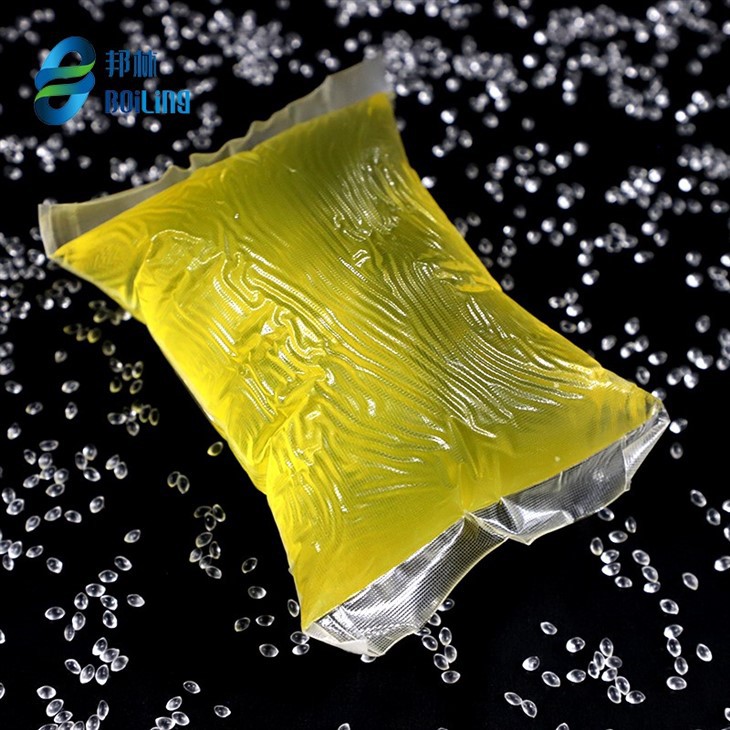
In the packaging industry, speed is of the essence. Quick - setting hot melt adhesives are commonly used to seal cartons and boxes. Quick Curing Hot Melt Adhesive can set in as little as 1 - 5 seconds. This rapid setting time allows for high - speed production lines, where boxes can be sealed and moved along the conveyor belt almost immediately after the adhesive is applied.

2. Labeling
For labeling applications, hot melt adhesives are also a popular choice. Hot Melt Adhesive For Labels typically have a setting time of around 5 - 15 seconds. This short setting time ensures that the label adheres firmly to the product surface and can be handled shortly after application. Whether it's a product label on a consumer good or a barcode label on a shipping package, the quick setting of the adhesive is essential for efficient labeling operations.
3. Electronics Assembly
In electronics assembly, the requirements for adhesive setting time are more complex. While some components may require a quick - setting adhesive to prevent misalignment during the assembly process, others may need a slower - setting adhesive to allow for adjustments. For example, Thermal Paper Adhesive used in thermal printers may have a setting time that ranges from 15 seconds to a few minutes, depending on the specific application and the type of substrate.
Measuring and Controlling the Setting Time
To ensure consistent bonding quality and production efficiency, it's important to measure and control the setting time of hot melt adhesive glue. One common method is to use a stopwatch to time the setting process. By applying the adhesive to a test substrate under controlled conditions (temperature, humidity, etc.) and measuring the time it takes for the adhesive to reach a certain level of solidity, manufacturers can establish a baseline setting time for a particular adhesive - substrate combination.
Controlling the setting time can be achieved by adjusting the factors mentioned above. For example, by adjusting the application temperature of the adhesive, manufacturers can fine - tune the setting time to meet the requirements of the production process. Additionally, using pre - treated substrates or additives can also affect the setting time. Some additives can accelerate the cooling and solidification process, while others can slow it down.
Conclusion
In conclusion, the setting time of hot melt adhesive glue is influenced by multiple factors, including the type of adhesive, substrate material, temperature, and thickness of the adhesive layer. Different applications have different requirements for setting time, and understanding these factors is crucial for selecting the right adhesive and optimizing the production process.
As a hot melt adhesive glue supplier, I am committed to providing high - quality products that meet the diverse needs of our customers. Whether you need a quick - setting adhesive for high - speed packaging or a specialized adhesive for electronics assembly, we have the expertise and products to support your business.
If you are interested in learning more about our hot melt adhesive glue products or have specific requirements regarding setting time, bonding strength, or other properties, please feel free to contact us for a detailed discussion. Our team of experts is ready to assist you in finding the perfect adhesive solution for your application.
References
- Adhesive Handbook, Third Edition. Edited by Skeist, I.
- "Fundamentals of Adhesion" by Kinloch, A. J.
- Journal of Adhesion Science and Technology, various issues.