

Choosing the right label adhesive glue can be a real head - scratcher, especially when there are so many options out there. As a label adhesive glue supplier, I've seen firsthand the challenges that businesses face when trying to make this decision. In this blog, I'll share some tips and insights to help you pick the perfect adhesive for your labels.
Understanding Your Label Requirements
First things first, you need to understand what your labels are going to be used for. Are they for product packaging, shipping labels, or something else? Different applications have different requirements.
For example, if you're labeling food products, you'll need an adhesive that is food - safe and won't contaminate the product. On the other hand, shipping labels need an adhesive that can withstand various environmental conditions, like humidity and temperature changes.
The surface you're applying the label to also matters a great deal. Is it smooth, rough, porous, or non - porous? A smooth surface like glass or plastic might require a different adhesive than a rough cardboard box.
Types of Label Adhesive Glues
There are several types of label adhesive glues available, and each has its own pros and cons.
Pressure - Sensitive Adhesives (PSAs)
PSAs are super popular because they're easy to use. You just apply pressure, and the label sticks. They work well on a variety of surfaces and can be used for both permanent and removable labels.
For instance, if you're making price tags that might need to be removed later, a removable PSA is a great choice. But if you want a label that will stay on a product for its entire lifespan, a permanent PSA is the way to go. You can check out our PSA Hot Melt Adhesive For Wood - Free Printed Paper Labels for high - quality PSA options.
Hot Melt Adhesives
Hot melt adhesives are heated up and then applied to the label. They cool down quickly and form a strong bond. These are great for high - speed labeling operations because they set fast.
One of the advantages of hot melt adhesives is that they can be formulated to work with different types of materials. We offer a General Purpose Hot Melt Adhesive that can be used in a wide range of applications.
Solvent - Based Adhesives
Solvent - based adhesives are known for their strong bonding properties. They can adhere well to difficult surfaces. However, they do have some drawbacks. The solvents can be harmful to the environment and might require special handling.
Water - Based Adhesives
Water - based adhesives are more environmentally friendly than solvent - based ones. They're also easy to clean up. But they might not be as strong as some of the other types, especially in wet conditions.
Considering Environmental Factors
The environment where the labels will be used plays a big role in choosing the right adhesive.
If the labels will be exposed to high temperatures, you need an adhesive that can withstand the heat without melting or losing its bond. For example, labels on automotive parts or electronics might need a heat - resistant adhesive.
On the flip side, if the labels will be in a cold environment, like a freezer, the adhesive should be able to stay flexible and keep the label in place.
Humidity is another factor. In a humid environment, an adhesive that resists moisture is crucial. Otherwise, the label might start to peel off.
Cost and Performance Balance
Cost is always a consideration when choosing an adhesive. You don't want to overspend, but you also don't want to sacrifice quality.
Sometimes, a more expensive adhesive might be worth it in the long run if it offers better performance and reliability. For example, if a cheaper adhesive causes labels to fall off during shipping, it could lead to a lot of problems and extra costs.
On the other hand, if your application doesn't require a high - end adhesive, there's no need to pay for one. You can find a cost - effective option that still meets your basic requirements.
Testing the Adhesive
Before making a large - scale purchase, it's a good idea to test the adhesive. You can do a small - scale trial on a sample of your labels and the actual surfaces they'll be applied to.
Check how well the label adheres, how easy it is to apply, and how it holds up over time. Look for any signs of peeling, bubbling, or discoloration.

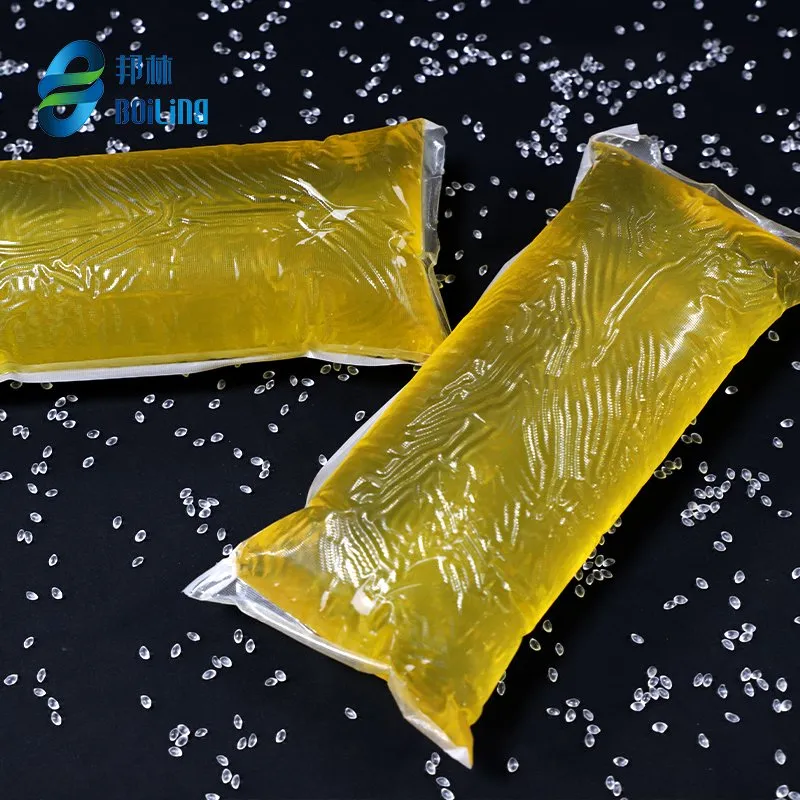
Compatibility with Printing Processes
If you're printing your own labels, the adhesive should be compatible with your printing process. Some adhesives might react with the ink or cause smudging.
For example, if you're using thermal printing, you'll need an adhesive that won't interfere with the thermal paper. Our Thermal Paper Adhesive is specifically designed for thermal printing applications.
Regulatory Compliance
Depending on your industry, there might be regulations regarding the use of adhesives. For example, in the medical or food industry, there are strict rules about what types of adhesives can be used.
Make sure the adhesive you choose complies with all the relevant regulations. This will help you avoid any legal issues down the road.
Conclusion
Choosing the right label adhesive glue is a multi - faceted decision. You need to consider your label requirements, the type of adhesive, environmental factors, cost, testing, printing compatibility, and regulatory compliance.
As a label adhesive glue supplier, we're here to help you make the best choice. We have a wide range of high - quality adhesives to suit different needs. If you're interested in learning more or making a purchase, feel free to reach out to us. We can provide you with samples and detailed information to help you make an informed decision.
References
- "Adhesive Technology Handbook" by John A. Brydson
- "Handbook of Pressure - Sensitive Adhesive Technology" by Donatas Satas