

Hey there, fellow project enthusiasts! As a supplier of structural adhesives, I know firsthand how crucial it is to pick the right adhesive for your project. It can be a real headache, especially with so many options out there. But don't worry, I'm here to break it down for you and make the selection process a whole lot easier.
Understanding Your Project Needs
First off, you need to have a clear understanding of what your project entails. What materials are you working with? Are you bonding metal to metal, plastic to wood, or something else entirely? Different adhesives are formulated to work best with specific materials. For example, if you're working with porous materials like wood, you'll want an adhesive that can penetrate and bond well. On the other hand, if you're dealing with non - porous materials such as glass or some plastics, you'll need an adhesive that can form a strong surface bond.
Another important factor is the environment in which the bonded parts will be used. Will they be exposed to high temperatures, moisture, chemicals, or UV light? If so, you need an adhesive that can withstand these conditions. For instance, if your project is outdoors, an adhesive with good weather and UV resistance is a must.
Types of Structural Adhesives
There are several types of structural adhesives available, each with its own set of properties and uses.
Epoxy Adhesives
Epoxy adhesives are super popular because they offer high strength and excellent chemical resistance. They're made up of two parts - a resin and a hardener - which you mix together before use. Once mixed, they start to cure and form a very strong bond. Epoxies are great for bonding a wide variety of materials, including metals, plastics, and composites. They're also resistant to heat and moisture, making them suitable for many industrial and automotive applications.
Polyurethane Adhesives
Polyurethane adhesives are known for their flexibility and durability. They can bond well to a variety of materials, including wood, metal, and plastic. These adhesives are also resistant to water and chemicals, making them a good choice for outdoor and marine applications. One of the great things about polyurethanes is that they can expand as they cure, filling gaps and creating a strong bond even on uneven surfaces.
Acrylic Adhesives
Acrylic adhesives are fast - curing and offer high strength. They're often used in applications where a quick bond is needed, such as in the assembly of electronics or automotive parts. Acrylics can bond well to plastics, metals, and composites, and they have good resistance to impact and vibration.
Considering Bond Strength
Bond strength is a key factor when choosing a structural adhesive. You need to make sure that the adhesive can hold the parts together under the expected load. The strength of an adhesive is usually measured in terms of shear strength, tensile strength, and peel strength.
Shear strength refers to the ability of the adhesive to resist forces that try to slide the bonded parts past each other. Tensile strength is the ability to resist forces that try to pull the bonded parts apart. Peel strength measures the ability of the adhesive to resist forces that try to separate the bond at the edge.
For projects where the parts will be subjected to high shear or tensile forces, you'll want an adhesive with high shear and tensile strength. For example, in a construction project where you're bonding structural steel members, you need an adhesive that can handle the heavy loads.
Application Method
The application method is also an important consideration. Some adhesives come in a cartridge and are applied using a caulking gun, while others are available in a liquid form that can be brushed or sprayed on.
If you're working on a small project, a cartridge - type adhesive might be more convenient. You can control the amount of adhesive you apply easily. However, for larger projects, a spray - on adhesive might be more efficient as it can cover a larger area quickly.
Cost and Availability
Let's talk about cost. You don't want to overspend on an adhesive, but at the same time, you don't want to compromise on quality. Compare the prices of different adhesives and consider the amount you'll need for your project. Sometimes, a more expensive adhesive might be worth it if it offers better performance and durability.
Availability is another factor. You want to make sure that the adhesive you choose is readily available when you need it. Check with local suppliers or online stores to see if the adhesive is in stock.
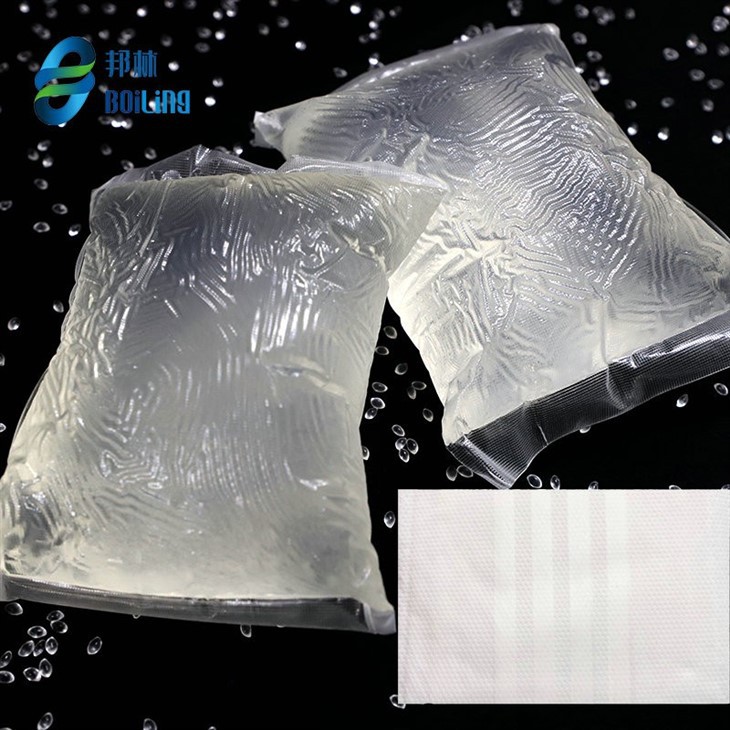

Our Product Range
As a structural adhesive supplier, we offer a range of high - quality adhesives to meet different project needs. For example, our Pet Training Pads Hot Melt Glue is specially formulated for bonding pet training pads. It provides a strong and reliable bond, ensuring that the pads stay together during use.
Our Disposable Toilet Seat Hot Melt Adhesive is designed for the production of disposable toilet seats. It offers good adhesion and is resistant to moisture, which is important in a bathroom environment.
And our Adult Diaper Hot Melt Adhesive is perfect for bonding the different layers of adult diapers. It provides a secure bond that can withstand movement and moisture.
Making the Right Choice
To sum it up, choosing the right structural adhesive for your project involves considering your project needs, the type of adhesive, bond strength, application method, cost, and availability. By taking the time to evaluate these factors, you can select an adhesive that will give you a strong and long - lasting bond.
If you're still not sure which adhesive is right for your project, don't hesitate to reach out to us. We have a team of experts who can help you make the right choice. Whether you're a DIY enthusiast or a professional contractor, we're here to support you in your project. Contact us today to discuss your requirements and start the procurement process.
References
- "Adhesives and Sealants Handbook" - A comprehensive guide on adhesives and their applications.
- "Handbook of Adhesive Technology" - Covers various aspects of adhesive technology, including types of adhesives and bonding mechanisms.