

Hey there! As a mattress glue supplier, I get a ton of questions from mattress manufacturers about choosing the right viscosity of mattress glue. It's a crucial decision that can significantly impact the quality and performance of the mattresses you produce. So, I thought I'd share some insights to help you make an informed choice.
First off, let's talk about what viscosity actually means. In simple terms, viscosity is a measure of a fluid's resistance to flow. For mattress glue, it determines how thick or thin the glue is. A high - viscosity glue is thick and doesn't flow easily, while a low - viscosity glue is thin and flows more freely.
Factors to Consider When Choosing Viscosity
1. Application Method
The way you apply the mattress glue plays a huge role in determining the right viscosity. If you're using a spray gun, a low - viscosity glue is usually the way to go. Low - viscosity glues can be easily atomized by the spray gun, ensuring an even and consistent application. They can reach all the nooks and crannies of the mattress components, providing a strong bond. On the other hand, if you're using a roller or a brush, a medium - to high - viscosity glue might be more suitable. These thicker glues can be spread evenly with a roller or brush and won't drip or run off the surface.
For example, if you're gluing thin layers of fabric to a mattress core, a low - viscosity glue applied by spray gun will give you a smooth and seamless finish. But if you're assembling larger mattress parts like foam layers, a high - viscosity glue applied with a roller can hold the pieces firmly in place.
2. Mattress Components
The materials you're gluing together also influence the choice of viscosity. Different mattress components have different surface characteristics, and the glue needs to be able to adhere to them effectively.
- Foam: Foam is a common material in mattresses. For bonding foam layers, a medium - viscosity glue is often a good choice. It can penetrate the porous surface of the foam to create a strong bond without soaking through too much. A low - viscosity glue might seep too deeply into the foam, weakening the bond, while a high - viscosity glue may not spread well on the foam surface.
- Fabric: When gluing fabric to a mattress, a low - viscosity glue is usually preferred. It can bond the fabric smoothly without causing it to wrinkle or bunch up. The thin consistency allows the glue to soak into the fabric fibers, providing a secure hold.
- Wood or Metal Frames: If you're attaching the mattress to a wood or metal frame, a high - viscosity glue is typically required. The thick glue can fill any gaps between the mattress and the frame and provide a strong, durable bond that can withstand the weight and movement of the mattress.
3. Production Speed
Your production speed is another important factor. In a high - volume production environment, you need a glue that can set quickly and allow for fast assembly. Low - viscosity glues generally have a faster setting time because they spread more easily and can come into contact with the bonding surfaces more quickly. This means you can move on to the next step of the production process sooner.
However, if you have more time between assembly steps and need a stronger initial bond, a high - viscosity glue might be better. It may take longer to set, but it can provide a more secure bond from the start.
Types of Mattress Glues and Their Viscosities
There are different types of mattress glues available, each with its own viscosity range.

Hot Melt Adhesives
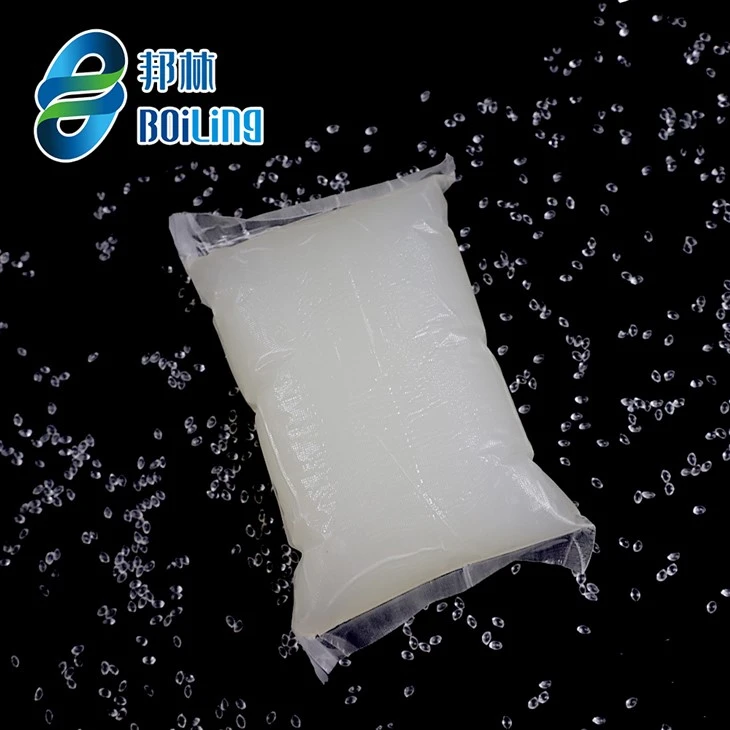
Hot melt adhesives are popular in the mattress industry. They come in a variety of viscosities. Hot Melt Adhesives For The Mattress Industry offer a wide range of options. Low - viscosity hot melt adhesives are great for applications where a fast - setting and even bond is required, such as attaching labels or small fabric pieces. Medium - viscosity hot melt adhesives are suitable for general assembly work, like joining foam layers. High - viscosity hot melt adhesives are often used for heavy - duty bonding, such as attaching the mattress to a frame.
Pressure Sensitive Adhesives
Pressure Sensitive Polyolefin Hot Melt Adhesive is another type of glue used in the mattress industry. These adhesives are designed to bond when pressure is applied. They usually have a medium - to high - viscosity. The higher viscosity helps them maintain their shape and stickiness during handling and assembly. They're often used for attaching decorative elements or for edge banding on mattresses.
Testing and Evaluation
Before making a final decision on the viscosity of the mattress glue, it's essential to conduct some tests. You can perform small - scale tests on sample mattress components using different viscosities of glue. Check the bond strength, how well the glue spreads, and the overall appearance of the bonded parts.
You can also consider the environmental conditions in your production facility. Temperature and humidity can affect the viscosity and performance of the glue. For example, in a hot and humid environment, a high - viscosity glue might become too thick and difficult to apply, while a low - viscosity glue might dry too quickly.
Conclusion
Choosing the right viscosity of mattress glue is a balancing act. You need to consider the application method, the mattress components, and your production speed. By understanding these factors and testing different options, you can find the perfect glue for your mattress production.
If you're a mattress manufacturer looking for high - quality mattress glue, I'd love to help. We offer a wide range of Hot Melt Adhesive For Mattress Manufacturer with different viscosities to meet your specific needs. Contact us to start a conversation about your requirements and let's work together to create the best mattresses possible.
References
- Industry standards and guidelines for mattress manufacturing
- Technical data sheets from glue manufacturers
- Personal experience and case studies from mattress production facilities