

Hey there! As a supplier of label hot melt adhesive, I've seen firsthand the importance of proper curing. It's not just about slapping the adhesive on and calling it a day. Proper curing ensures that the label stays in place, looks good, and performs as it should. So, let's dive into how you can make sure your label hot melt adhesive cures properly.
Understanding the Basics of Curing
First things first, what exactly is curing? In the context of label hot melt adhesive, curing is the process where the adhesive changes from a liquid or semi - liquid state to a solid state, forming a strong bond with the label and the substrate. This transformation happens due to a combination of factors like cooling, chemical reactions, and sometimes exposure to specific conditions.
When we talk about label hot melt adhesives, there are different types. For instance, check out our PSA Hot Melt Adhesive For Anti - Counterfeiting Labels. This type of adhesive is designed for a specific purpose, and its curing process might have unique requirements.
Temperature Control
One of the most crucial factors in ensuring proper curing is temperature. Hot melt adhesives are applied in a molten state, usually at a high temperature. The temperature at which the adhesive is applied can significantly impact its curing.
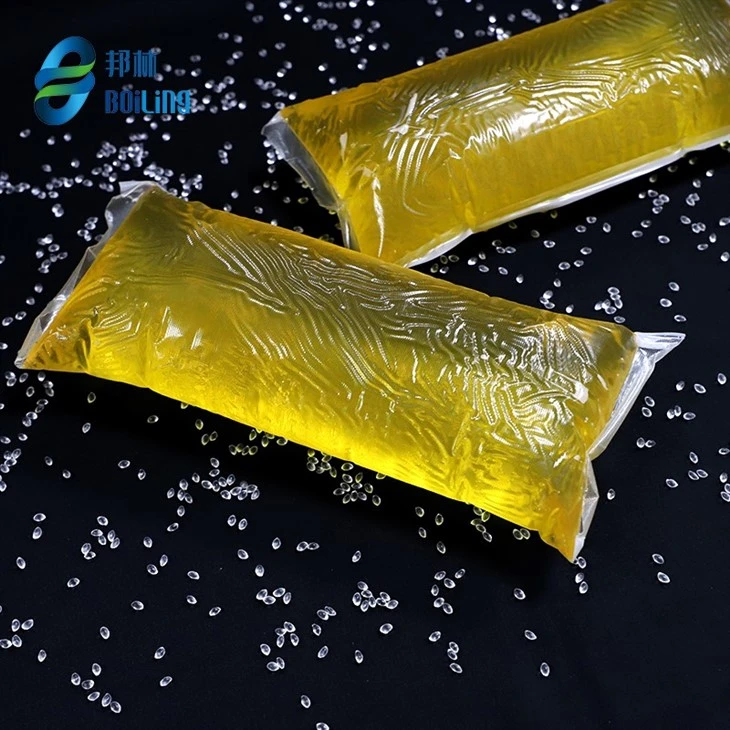

If the application temperature is too low, the adhesive might not flow properly onto the label and substrate. This can lead to poor wetting, where the adhesive doesn't spread evenly. As a result, the bond strength might be weak, and the label could peel off easily.
On the flip side, if the temperature is too high, the adhesive might degrade. Some of the polymers in the adhesive can break down, reducing its bonding properties. When applying the adhesive, it's essential to follow the manufacturer's recommended temperature range. Most of our adhesives, including the Ultra - High Viscosity Hot Melt Pressure Sensitive Adhesive, come with clear temperature guidelines.
After application, the cooling rate also matters. If the adhesive cools too quickly, it can cause internal stresses in the adhesive layer. These stresses can lead to cracks or a weaker bond over time. On the other hand, a slow cooling rate might allow the adhesive to sag or flow unevenly, affecting the label's appearance. You can control the cooling rate by adjusting the environment around the bonding area. For example, using fans or cooling tunnels can help regulate the cooling process.
Substrate Preparation
The substrate, which is the surface to which the label is being applied, plays a vital role in the curing process. A dirty or contaminated substrate can prevent the adhesive from bonding properly. Oils, dust, or other residues on the substrate can act as a barrier between the adhesive and the surface.
Before applying the label hot melt adhesive, make sure the substrate is clean. You can use a suitable cleaning agent to remove any contaminants. For some substrates, like plastic or glass, it might be necessary to roughen the surface slightly. This can increase the surface area for the adhesive to bond to, improving the bond strength.
Different substrates also have different surface energies. Adhesives bond better to substrates with higher surface energies. If you're working with a low - surface - energy substrate, you might need to use a primer. A primer can increase the surface energy of the substrate, making it more receptive to the adhesive. Our High - Performance Hot Melt Adhesive For PET Labeling works well with PET substrates, but proper substrate preparation is still key.
Contact Pressure
Applying the right amount of contact pressure during the bonding process is essential for proper curing. When the label is pressed onto the substrate, the adhesive needs to be forced into intimate contact with the surface. This helps the adhesive to spread evenly and form a strong bond.
If the contact pressure is too low, there might be air pockets between the adhesive and the substrate. These air pockets can weaken the bond and cause the label to peel off. On the other hand, excessive pressure can squeeze out too much of the adhesive, leading to a messy appearance and potentially reducing the bond strength in some areas.
You can use different methods to apply contact pressure. Roller systems are commonly used in industrial settings. The rollers can apply a consistent and even pressure across the label. Manual application might require using a flat object, like a squeegee, to press the label firmly onto the substrate.
Humidity and Air Circulation
The humidity in the environment can also affect the curing of label hot melt adhesives. High humidity can slow down the curing process, especially for some types of adhesives. Water vapor in the air can interfere with the chemical reactions that occur during curing.
On the other hand, very low humidity can cause the adhesive to dry out too quickly, leading to a brittle bond. It's best to keep the humidity levels within a reasonable range. You can use a hygrometer to measure the humidity in the working area. If necessary, you can use dehumidifiers or humidifiers to adjust the humidity.
Air circulation is also important. Good air circulation helps to remove any fumes that might be released during the curing process. It also helps to regulate the temperature and humidity in the working area. You can use fans or ventilation systems to ensure proper air circulation.
Quality Control
To ensure proper curing, it's important to have a quality control system in place. Regularly check the bonded labels for any signs of poor curing. Look for labels that are peeling off, have air bubbles, or have an uneven appearance.
You can also perform some simple tests to check the bond strength. For example, you can try to peel the label gently from the substrate at a 90 - degree angle. If the label comes off easily, it might indicate a problem with the curing process.
Keep records of the application conditions, including temperature, pressure, and humidity. This can help you troubleshoot any issues that arise and make adjustments to the process if necessary.
Conclusion
Proper curing of label hot melt adhesive is a multi - faceted process. It involves controlling temperature, preparing the substrate, applying the right contact pressure, managing humidity and air circulation, and having a quality control system. By paying attention to these factors, you can ensure that your labels have a strong and long - lasting bond.
If you're in the market for high - quality label hot melt adhesives and need more guidance on the curing process, don't hesitate to reach out. We're here to help you find the best adhesive solutions for your needs and ensure that your labeling projects are a success.
References
- "Handbook of Adhesive Technology" by Satas, D.
- "Adhesives and Sealants Technology" by Mittal, K. L.