

Hey there! As a mattress glue supplier, I've seen my fair share of issues with glue cracking in mattresses. It's a real pain in the neck for both manufacturers and end - users. Cracking glue can lead to mattress delamination, reduced durability, and an overall lousy customer experience. So, in this blog, I'm gonna share some tips on how to prevent that pesky mattress glue from cracking.
Understanding the Causes of Glue Cracking
Before we jump into the prevention methods, it's important to know what causes the glue to crack in the first place.
1. Improper Surface Preparation
If the surfaces to be bonded aren't clean and dry, the glue won't adhere properly. Dust, dirt, or moisture on the mattress materials can create a barrier between the glue and the surface, leading to weak bonds that are prone to cracking. For example, if you're gluing foam layers together and there's a thin layer of dust on the foam, the glue might not form a strong enough connection, and over time, it'll start to crack.
2. Incorrect Glue Application
Using too little or too much glue can also cause problems. If you don't apply enough glue, the bond will be weak. On the other hand, applying too much glue can lead to uneven drying and stress points within the glue layer, which can result in cracking. Also, the application temperature matters. If the glue is too cold when applied, it might not flow properly and create a good bond, while if it's too hot, it could degrade prematurely.
3. Environmental Factors
Temperature and humidity play a huge role in the performance of mattress glue. Extreme temperatures can cause the glue to expand or contract. For instance, in a very hot environment, the glue might soften and lose its strength, while in cold temperatures, it can become brittle and crack. High humidity can also affect the drying process of the glue, leading to a weaker bond.

4. Poor - Quality Glue
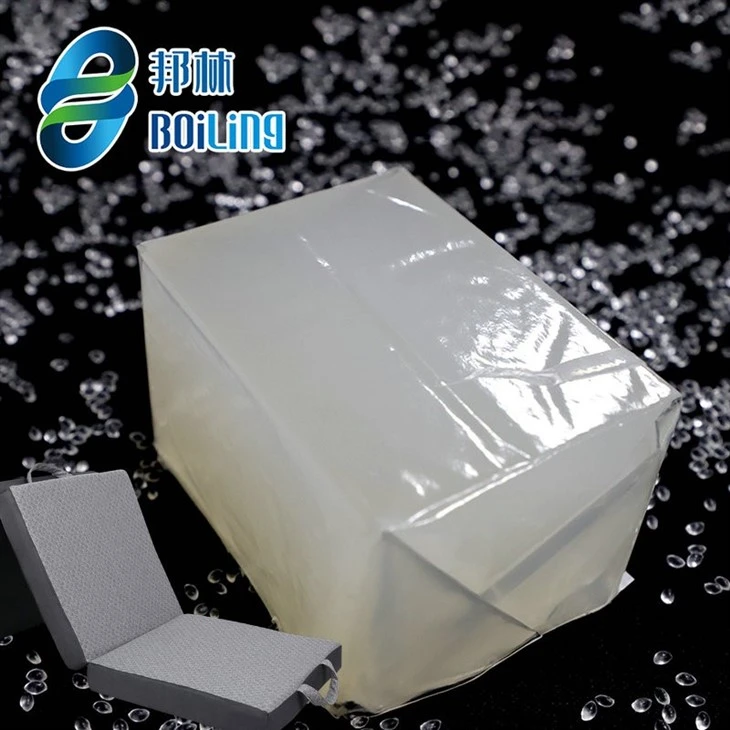
Let's face it, not all glues are created equal. Using a low - quality glue that doesn't have the right chemical properties for mattress applications can lead to cracking. A good quality glue should have excellent flexibility, adhesion, and resistance to environmental factors.
Prevention Methods
1. Proper Surface Preparation
- Cleaning: Make sure to clean the surfaces thoroughly before applying the glue. For foam materials, you can use a mild detergent and water to remove any dirt or dust. After cleaning, let the surfaces dry completely. You can use a clean, dry cloth to wipe away any remaining moisture.
- Sanding (if applicable): For some materials, like wood frames in mattresses, sanding the surface can help create a rough texture that the glue can grip onto better. Just make sure to remove any sanding dust before applying the glue.
2. Correct Glue Application
- Follow the Manufacturer's Instructions: Every glue has its own set of instructions regarding application temperature, amount, and method. Make sure to read and follow these instructions carefully. For example, some Non Toxic Hot Melt Adhesive For Foam Mattress might need to be applied at a specific temperature range to ensure optimal performance.
- Use the Right Tools: Use appropriate applicators for the glue. For hot - melt adhesives, a hot - melt gun can ensure an even and controlled application. This helps in applying the right amount of glue and reduces the chances of creating uneven layers that could lead to cracking.
3. Control the Environment
- Temperature and Humidity Regulation: Keep the manufacturing environment at a stable temperature and humidity level. You can use air - conditioning and dehumidifiers to control these factors. For example, aim for a temperature between 20 - 25°C and a relative humidity of around 40 - 60%. This will help the glue dry properly and maintain its properties over time.
- Storage Conditions: Store the glue in a cool, dry place. Exposure to extreme temperatures during storage can degrade the glue's quality. Always check the expiration date of the glue and use it within the recommended time frame.
4. Choose High - Quality Glue
- Research and Test: Look for glues that are specifically designed for mattress applications. Brands like APAO Adhesive are known for their good performance in mattress manufacturing. Before using a new glue, conduct small - scale tests to ensure it meets your quality standards.
- Consider the Properties: A good mattress glue should have high flexibility, good adhesion, and resistance to environmental factors. It should also be non - toxic, especially if it's going to be used in mattresses that people will sleep on.
The Benefits of Preventing Glue Cracking
Preventing glue cracking in mattresses has several benefits. For manufacturers, it means fewer defective products, which saves money on rework and returns. It also helps in building a good reputation in the market. Customers will be more satisfied with a mattress that doesn't have delamination or other issues caused by cracking glue, which can lead to increased customer loyalty.
Our Wholesale Options
If you're in the mattress manufacturing business, we offer Wholesale Hot Melt Adhesives For Mattresses. Our adhesives are of high quality, carefully formulated to prevent cracking and ensure long - lasting bonds in mattresses. We understand the challenges you face in the industry, and our products are designed to meet your needs.
If you're interested in learning more about our mattress glue products or want to discuss your specific requirements, don't hesitate to reach out. We're here to help you create high - quality mattresses that will stand the test of time.
References
- "Adhesive Technology Handbook" - This book provides in - depth knowledge about different types of adhesives and their applications.
- Industry reports on mattress manufacturing, which often include information about glue performance and quality control.