

As a supplier of Envelope Sealing Glue, I've received numerous inquiries from customers regarding the impact of sunlight on our product. This topic is not only relevant to our clients' daily use but also crucial for understanding the long - term performance of our glue. In this blog, I'll delve into the scientific aspects of how sunlight can affect envelope sealing glue.
The Composition of Envelope Sealing Glue
Before discussing the influence of sunlight, it's essential to understand what envelope sealing glue is made of. Most envelope sealing glues are water - based adhesives. They typically contain polymers such as polyvinyl acetate (PVA), which provide the stickiness, along with various additives. These additives can include plasticizers to improve flexibility, preservatives to prevent microbial growth, and thickeners to control the viscosity.
The chemical structure of these polymers plays a vital role in the glue's performance. PVA, for example, has a chain - like molecular structure. The bonds between the monomers in the polymer chain are what hold the glue together and allow it to adhere to surfaces.
How Sunlight Interacts with Envelope Sealing Glue
Sunlight is composed of different wavelengths of electromagnetic radiation, including ultraviolet (UV) light, visible light, and infrared light. Each of these components can have a distinct effect on the envelope sealing glue.
Ultraviolet (UV) Light
UV light is the most damaging part of sunlight for polymers. It has a high energy level that can break the chemical bonds in the polymer chains of the glue. When the bonds are broken, the polymer chains start to degrade. This degradation can lead to a loss of the glue's adhesive properties.
For instance, if an envelope sealed with our glue is exposed to direct sunlight for an extended period, the UV light can cause the PVA chains to break down. As a result, the glue may become brittle and lose its ability to hold the envelope shut. In some cases, the glue may even start to peel off the envelope surface.
Visible Light
Visible light generally has less of an impact on envelope sealing glue compared to UV light. However, over a long time, visible light can still cause some degree of photochemical reactions. These reactions can lead to a slow change in the glue's color and a gradual weakening of its adhesive strength.
Infrared Light
Infrared light is mainly associated with heat. When the envelope sealing glue is exposed to sunlight, the infrared component can cause the glue to heat up. An increase in temperature can soften the glue, making it more fluid. If the temperature gets too high, the glue may flow out of the sealed area, reducing its effectiveness. Moreover, repeated heating and cooling cycles can also cause stress on the glue, leading to cracking and a loss of adhesion.
Experimental Evidence
To support these theoretical explanations, we've conducted several experiments in our laboratory. We took a batch of envelopes sealed with our standard envelope sealing glue and divided them into different groups.
One group was placed in direct sunlight for a period of one week, another group was placed in a shaded area with only indirect sunlight exposure, and a control group was kept in a dark, cool place.
After one week, we examined the envelopes. The envelopes exposed to direct sunlight showed significant signs of glue degradation. The glue had become brittle, and in some cases, it had detached from the envelope. The envelopes in the shaded area had a slight reduction in adhesive strength, but it was not as severe as the ones in direct sunlight. The control group, as expected, showed no change in the glue's performance.
Practical Implications for Our Customers
For our customers, understanding the impact of sunlight on envelope sealing glue is crucial for ensuring the long - term integrity of their sealed envelopes. If they are using our glue for important documents or items that need to be securely sealed, they should avoid exposing the envelopes to direct sunlight for extended periods.
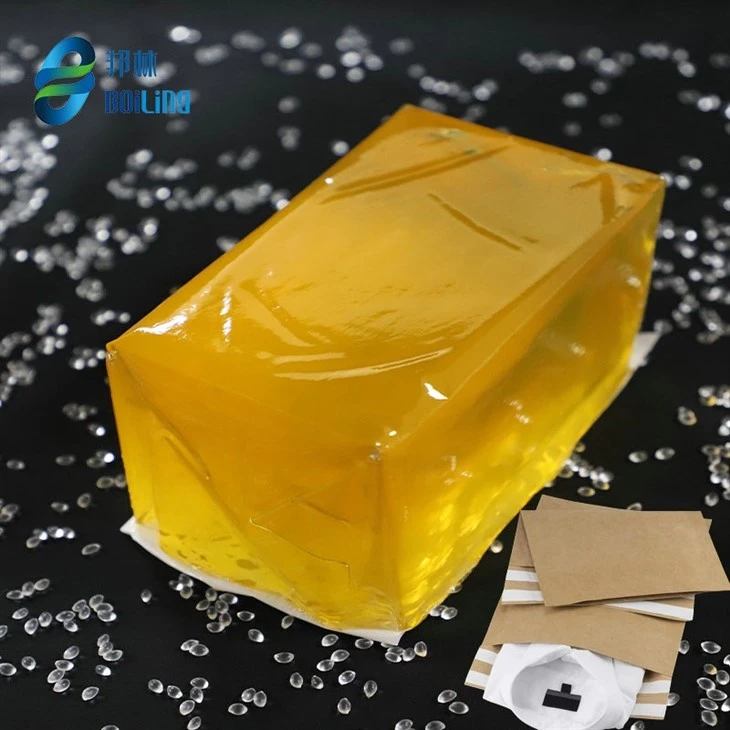

For example, if a customer is sending out a batch of promotional materials in envelopes, they should store the envelopes in a cool, dark place before mailing. During transit, they should also ensure that the envelopes are not left in a hot, sunny environment, such as on the dashboard of a car.
Our Product Solutions
At our company, we are constantly working on improving the performance of our envelope sealing glue. We are researching and developing new formulations that are more resistant to sunlight. For example, we are exploring the use of UV stabilizers in our glue. These stabilizers can absorb the UV light and prevent it from causing damage to the polymer chains.
In addition to envelope sealing glue, we also offer a range of other adhesive products. You can check out our Takeaway Insulated Bag Hot Melt Adhesive, Hot Melt Glue Block For Express Waybill, and Ecommerce Packaging Hot Melt. These products are designed to meet the diverse needs of our customers in different industries.
Conclusion and Call to Action
In conclusion, sunlight can have a significant impact on envelope sealing glue. UV light, visible light, and infrared light can all cause changes in the glue's chemical structure and adhesive properties. However, by taking proper precautions and using our improved products, our customers can ensure that their envelopes remain securely sealed.
If you are interested in learning more about our envelope sealing glue or any of our other adhesive products, we encourage you to contact us for procurement and further discussions. We are committed to providing high - quality adhesive solutions that meet your specific requirements.
References
- Billmeyer, F. W., & Saltzman, M. (1999). Textbook of Polymer Science. Wiley - Interscience.
- Andrews, E. H. (1979). Fracture in Polymers. Applied Science Publishers.