

Hey there! As a supplier of label adhesive glue, I've seen firsthand the many benefits it offers. But like any product, it's not all sunshine and rainbows. In this blog, I'm gonna talk about the disadvantages of label adhesive glue.
1. Environmental Impact
One of the biggest drawbacks of label adhesive glue is its environmental impact. A lot of traditional label adhesives are made from synthetic materials that don't break down easily. When labels with these adhesives end up in landfills, they can take a really long time to decompose. This contributes to the growing problem of waste accumulation.
For example, some glues contain chemicals that can leach into the soil and water, causing pollution. And when labels are removed from products, the adhesive residue can be difficult to clean off, which can also lead to more waste.
2. Compatibility Issues
Another issue is compatibility. Label adhesive glue might not work well with all types of materials. For instance, if you're trying to stick a label on a surface that's smooth, like glass or some plastics, the glue might not adhere properly. The label could start to peel off over time, which is a big no - no for businesses that rely on labels for branding and product information.
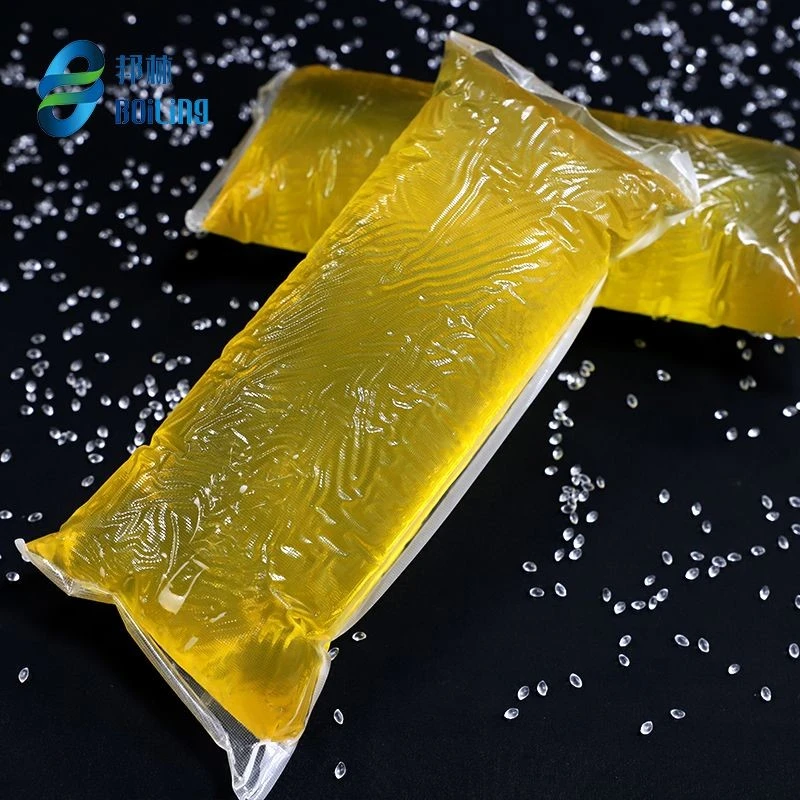

On the other hand, if the surface is too rough, the glue might not spread evenly, leaving gaps or uneven adhesion. This can make the label look unprofessional and can also affect the readability of the information on the label.
3. Cost
Cost can be a significant disadvantage. High - quality label adhesive glue can be quite expensive. This is especially true for specialty glues that are designed for specific applications, like Plastic Label Hot Melt Glue. These glues often require special manufacturing processes and ingredients, which drive up the price.
For small businesses or those on a tight budget, the cost of label adhesive glue can eat into their profits. And if they try to cut corners by using cheaper glues, they might end up with labels that don't stick well or have a shorter lifespan.
4. Health Risks
Some label adhesive glues contain harmful chemicals. For example, certain solvents used in adhesives can release volatile organic compounds (VOCs). These VOCs can cause respiratory problems, headaches, and other health issues when inhaled.
Workers who are constantly exposed to these glues in a manufacturing or labeling environment are at a higher risk. Even consumers can be affected if they come into contact with products that have these adhesives, especially if they have sensitive skin.
5. Shelf Life
The shelf life of label adhesive glue can be a problem. If the glue is not stored properly, it can dry out or lose its adhesive properties over time. This means that businesses need to be careful about how they store their glue and make sure they use it within a reasonable time frame.
If the glue goes bad, it can't be used, which is a waste of money. And if a business runs out of good - quality glue at a crucial time, it can disrupt their labeling operations.
6. Difficult to Remove
Once a label is stuck on a surface using adhesive glue, it can be really difficult to remove. This is a problem for recycling purposes. When products are recycled, the labels need to be removed, but the adhesive can make this process a pain.
Some glues leave behind a sticky residue that's hard to clean off. This can slow down the recycling process and can also reduce the quality of the recycled materials.
7. Temperature Sensitivity
Label adhesive glue can be sensitive to temperature. In hot weather, the glue might become too soft, causing the label to slide or peel off. On the other hand, in cold weather, the glue can become brittle and crack, which also leads to label detachment.
This is a big issue for products that are stored or transported in different temperature conditions. For example, food products that are shipped in refrigerated trucks or stored in hot warehouses need labels that can withstand these temperature changes.
8. Limited Customization
When it comes to customization, label adhesive glue has its limitations. Some glues are designed for specific types of labels and applications, which means they might not be suitable for unique or custom - made labels.
If a business wants to create a label with a special shape or design, they might find it difficult to find an adhesive that works well with their requirements. This can limit the creativity and branding opportunities for businesses.
How We're Addressing These Disadvantages
At our company, we're aware of these issues and are working hard to find solutions. We're investing in research and development to create more environmentally friendly glues. For example, we're looking into bio - based adhesives that are biodegradable and have a lower environmental impact.
We're also working on improving the compatibility of our glues with different materials. Our Pressure Sensitive Label Adhesive is designed to work well on a variety of surfaces, reducing the chances of peeling and uneven adhesion.
In terms of cost, we're constantly looking for ways to optimize our manufacturing processes to offer more affordable options without sacrificing quality. And we're also providing better storage and handling instructions to our customers to ensure the shelf life of our glues.
Conclusion
While label adhesive glue has its disadvantages, it's still an essential product for many industries. By being aware of these issues and working towards solutions, we can make the most of this product while minimizing its negative impacts.
If you're in the market for label adhesive glue and want to learn more about how we can address these disadvantages, feel free to reach out. We'd love to have a chat and discuss your specific needs. Whether you're looking for Plastic Labels Hot Melt Adhesive or other types of label adhesives, we're here to help. Let's work together to find the best solution for your labeling needs!
References
- "Environmental Impact of Adhesives" - Journal of Environmental Science
- "Compatibility of Adhesives with Different Materials" - Industrial Adhesive Research
- "Health Risks Associated with Adhesive Chemicals" - Occupational Health Journal