

Understanding Hot Melt Adhesive
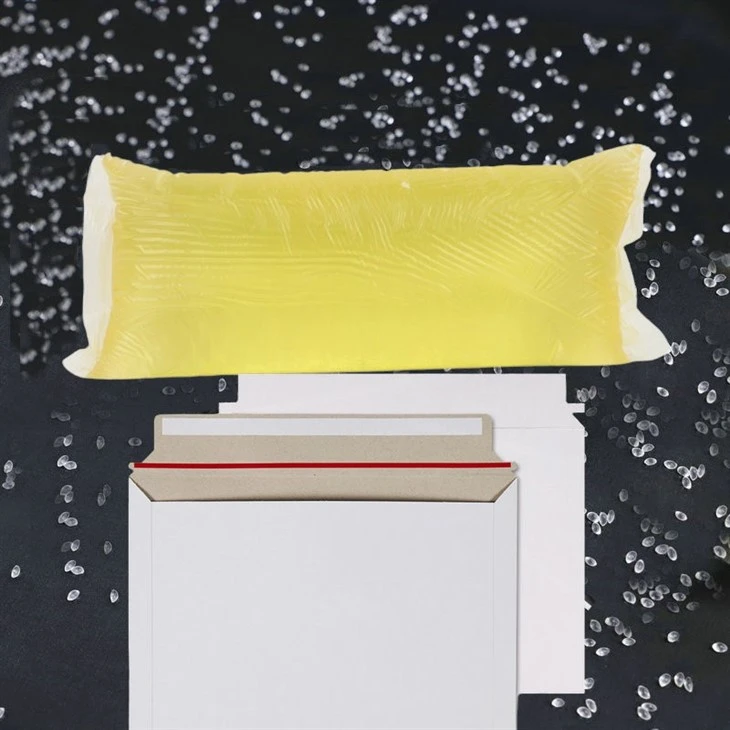
Bag hot melt adhesive is a thermoplastic adhesive that is solid at room temperature and becomes liquid when heated. It is widely used in the packaging industry for sealing various types of bags, including PE courier bags, express bags, and more. The adhesive offers several advantages, such as fast bonding, high strength, and resistance to environmental factors.
The Importance of Proper Melting
Proper melting of bag hot melt adhesive is crucial for achieving a strong and reliable bond. If the adhesive is not melted correctly, it may not flow evenly, resulting in weak bonds or uneven sealing. Additionally, improper melting can lead to charring or degradation of the adhesive, reducing its performance and lifespan.
Best Practices for Melting Bag Hot Melt Adhesive
1. Choose the Right Melting Equipment
Invest in a high-quality hot melt adhesive melter that is specifically designed for bag hot melt adhesive. The melter should have a precise temperature control system to ensure that the adhesive is melted at the correct temperature. Look for a melter with a large melting capacity to meet your production needs.
2. Follow the Manufacturer's Instructions
Each type of bag hot melt adhesive has specific melting requirements, such as temperature and melting time. It is essential to follow the manufacturer's instructions carefully to ensure that the adhesive is melted correctly. Do not exceed the recommended temperature or melting time, as this can damage the adhesive and reduce its performance.
3. Preheat the Melter
Before adding the adhesive to the melter, preheat the melter to the recommended temperature. This will ensure that the adhesive melts evenly and quickly. It is also important to clean the melter regularly to prevent the buildup of adhesive residue, which can affect the melting process.
4. Use the Right Amount of Adhesive
Using the right amount of adhesive is crucial for achieving a strong and reliable bond. Too much adhesive can lead to messy application and waste, while too little adhesive can result in weak bonds. Follow the manufacturer's recommendations for the amount of adhesive to use based on the type of bag and the application method.
5. Maintain a Consistent Temperature
Once the adhesive is melted, it is important to maintain a consistent temperature throughout the application process. Fluctuations in temperature can cause the adhesive to thicken or thin, affecting its flow and bonding properties. Use a temperature control system to monitor and adjust the temperature as needed.
Different Melting Methods
1. Batch Melting
Batch melting involves melting a large quantity of adhesive in a single batch. This method is suitable for high-volume production and allows for greater control over the melting process. However, it requires a larger melting capacity and may take longer to melt the adhesive.
2. Continuous Melting
Continuous melting involves melting the adhesive continuously as it is needed. This method is suitable for low-volume production and allows for more flexibility in the application process. However, it requires a smaller melting capacity and may require more frequent refilling of the adhesive.
Troubleshooting Common Melting Issues
1. Charring or Burning
Charring or burning of the adhesive can occur if the temperature is too high or if the adhesive is left in the melter for too long. To prevent charring or burning, ensure that the temperature is set to the recommended level and that the adhesive is not left in the melter for an extended period.

2. Clogging
Clogging of the melter or the application equipment can occur if the adhesive is not melted correctly or if there is a buildup of adhesive residue. To prevent clogging, clean the melter and the application equipment regularly and ensure that the adhesive is melted at the correct temperature.
3. Inconsistent Flow
Inconsistent flow of the adhesive can occur if the temperature is not consistent or if there is a blockage in the application equipment. To ensure consistent flow, maintain a consistent temperature and check the application equipment for blockages.
Conclusion
Melting bag hot melt adhesive correctly is essential for achieving a strong and reliable bond in your packaging operations. By following the best practices outlined in this blog, you can ensure that the adhesive is melted at the correct temperature, flows evenly, and provides optimal performance. As a Bag Hot Melt Adhesive supplier, we are committed to providing high-quality products and technical support to help you achieve the best results.
If you are interested in learning more about our Bag Hot Melt Adhesive products or have any questions about melting or application, please feel free to contact us for a consultation. We look forward to working with you to meet your packaging needs.
References
- Smith, J. (2020). The Basics of Hot Melt Adhesives. Packaging World.
- Jones, A. (2019). Best Practices for Melting Hot Melt Adhesives. Adhesive and Sealant Council.
- Brown, R. (2018). Troubleshooting Hot Melt Adhesive Application Problems. Industrial Heating.
Hot Melt Adhesive For PE Courier Bag