

In the manufacturing and assembly industries, the precise control of the amount of hot melt adhesive applied is crucial for ensuring product quality, reducing costs, and maintaining efficiency. As a seasoned hot melt adhesive supplier, I've witnessed firsthand the challenges and importance of this process. In this blog, I'll share some effective strategies and techniques to help you control the amount of hot melt adhesive applied accurately.
Understanding the Basics of Hot Melt Adhesive Application
Before delving into control methods, it's essential to understand the basic principles of hot melt adhesive application. Hot melt adhesives are thermoplastic materials that are solid at room temperature and become liquid when heated. They are applied in a molten state and bond as they cool and solidify. The amount of adhesive required depends on several factors, including the type of substrate, the bonding area, the desired bond strength, and the application method.

Factors Affecting Adhesive Application Amount
- Substrate Material: Different materials have varying surface energies and porosities, which can affect how much adhesive is needed. For example, porous substrates like wood or paper may absorb more adhesive than non - porous materials such as metal or plastic.
- Bonding Area: The larger the area to be bonded, the more adhesive is generally required. However, the distribution of the adhesive also matters. A uniform application across the bonding area is necessary for a strong and reliable bond.
- Desired Bond Strength: Higher bond strengths often require more adhesive. The specific requirements for bond strength depend on the end - use of the product. For example, products that will be subjected to high stress or loads need a stronger bond and thus more adhesive.
- Application Method: There are several methods of applying hot melt adhesives, including spray coating, roller coating, and extrusion. Each method has its own characteristics and can influence the amount of adhesive applied. For instance, spray coating can provide a thin and even layer of adhesive, while extrusion may be used for more substantial bead applications. You can learn more about Spray Coating Hot Melt Pressure Sensitive Adhesive.
Strategies for Controlling Adhesive Application Amount
- Calibration of Application Equipment
- Regular Maintenance: Ensure that your adhesive application equipment, such as glue guns, dispensers, or sprayers, is properly maintained. Regular cleaning and inspection can prevent clogging and ensure consistent performance.
- Flow Rate Adjustment: Most application equipment allows for the adjustment of the flow rate. By calibrating the flow rate according to the specific requirements of your application, you can control the amount of adhesive being dispensed. For example, if you are using a glue gun, you can adjust the pressure or the speed at which the adhesive is pushed out.
- Use of Precision Application Tools
- Positive Displacement Pumps: These pumps are designed to deliver a precise volume of adhesive per stroke. They are ideal for applications where accuracy is critical, such as in the electronics or medical device industries.
- Valve - Based Dispensers: Valve - based dispensers can control the flow of adhesive by opening and closing a valve. They offer excellent control over the start and stop of the adhesive flow, allowing for precise application.
- Process Optimization
- Temperature Control: The viscosity of hot melt adhesives is highly dependent on temperature. By maintaining the adhesive at the optimal temperature, you can ensure that it flows smoothly and that the amount applied is consistent. Too high a temperature can cause the adhesive to be too thin and result in over - application, while too low a temperature can make it too thick and lead to under - application.
- Line Speed: In a continuous production line, the line speed can affect the amount of adhesive applied. If the line speed is too fast, the adhesive may not be distributed evenly or enough adhesive may not be applied. Adjusting the line speed to match the adhesive application rate is essential for proper control.
Case Studies: Real - World Applications
Let's take a look at a few real - world examples of how companies have successfully controlled the amount of hot melt adhesive applied.
Case 1: Packaging Industry
A packaging company was experiencing issues with excessive adhesive usage, which was increasing costs and causing messy packaging. By calibrating their adhesive dispensers and adjusting the flow rate, they were able to reduce the amount of adhesive applied by 20% while still maintaining the required bond strength. This not only saved costs but also improved the overall appearance of the packages.
Case 2: Automotive Industry
An automotive parts manufacturer needed to bond plastic components with a specific amount of hot melt adhesive to ensure proper fit and function. They implemented a positive displacement pump system and optimized the temperature and line speed. As a result, they achieved a more consistent adhesive application, reduced waste, and improved the quality of their products.
Importance of Quality Control
Quality control is an integral part of controlling the amount of hot melt adhesive applied. Regularly inspecting the bonded products can help identify any issues with adhesive application, such as uneven distribution or incorrect amounts. Quality control measures can include visual inspection, bond strength testing, and measuring the thickness of the adhesive layer.
Conclusion
Controlling the amount of hot melt adhesive applied is a complex but essential process in many industries. By understanding the factors that affect adhesive application, using appropriate strategies and precision tools, and implementing quality control measures, you can achieve accurate and consistent adhesive application. This not only improves product quality but also reduces costs and enhances efficiency.
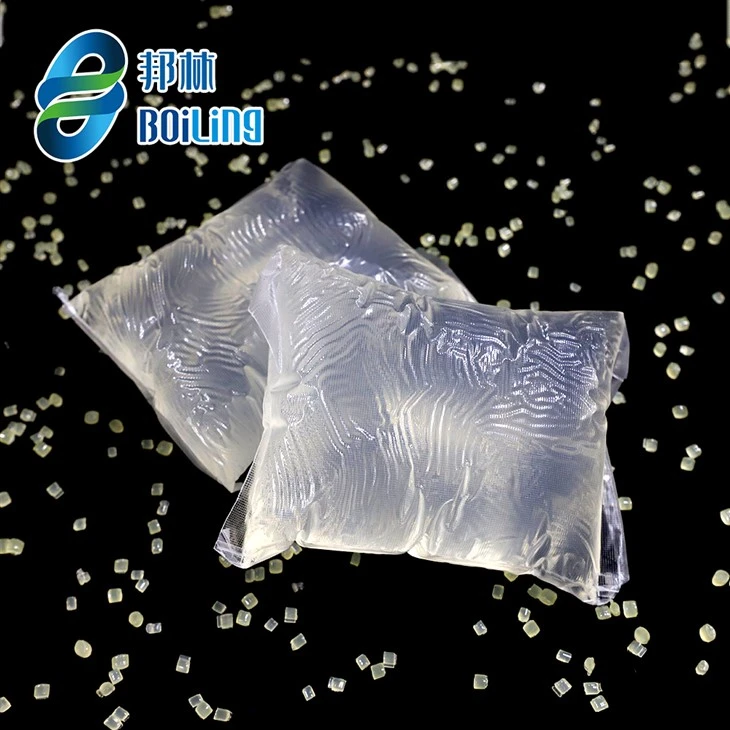
If you are in the market for high - quality hot melt adhesives and need assistance with adhesive application control, we are here to help. We offer a wide range of products, including Solid Hot Melt Pressure Sensitive Glue, that are suitable for various applications. Contact us to discuss your specific requirements and start a procurement negotiation.
References
- "Handbook of Adhesive Technology" by A. Pizzi and K. L. Mittal.
- "Hot Melt Adhesives: Technology and Applications" by S. R. Hartshorn.
- Industry reports on adhesive application and manufacturing processes.