

The shelf-life of structural adhesive is a crucial factor that both suppliers and users need to understand thoroughly. As a supplier of structural adhesives, I am often asked about the shelf-life of our products, and in this blog, I will delve into this topic in detail.

What is Structural Adhesive?
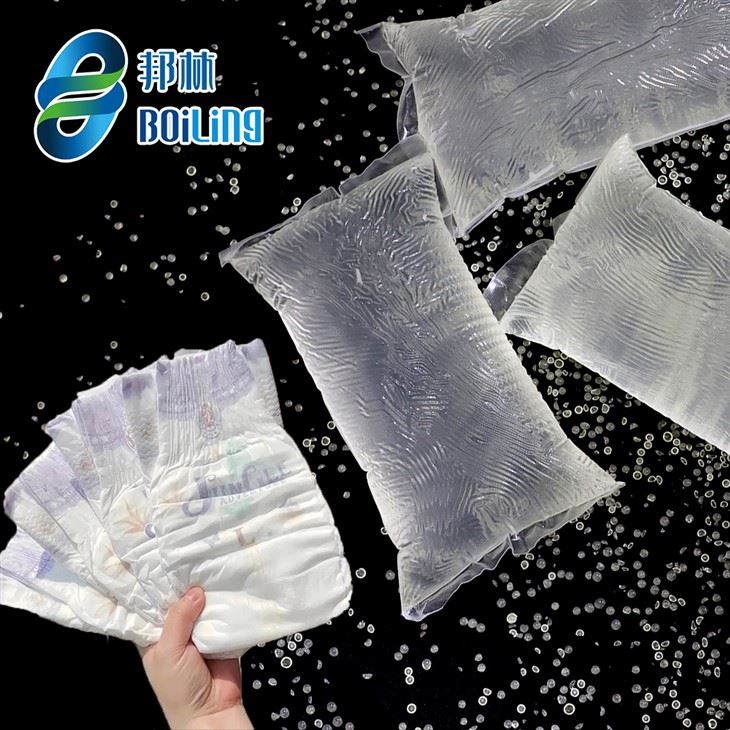
Structural adhesives are high-strength adhesives used to bond load-bearing structures. They offer excellent bonding properties, including high shear and peel strength, and are commonly used in various industries such as automotive, aerospace, construction, and consumer products. Our company provides a wide range of structural adhesives, including Hot Melt Adhesive For Sanitary Pad, Construction Glue For Production Of Baby Diaper, and Hot Melt Adhesive For Sanitary Adult Diaper.
Factors Affecting the Shelf-Life of Structural Adhesive
The shelf-life of structural adhesive is influenced by several factors, which can be broadly categorized into chemical and environmental factors.
Chemical Factors
- Resin and Hardener Reactivity: Most structural adhesives are composed of a resin and a hardener. The reactivity of these components determines how quickly the adhesive will cure over time. For example, some epoxy adhesives have a high reactivity, which means they may start to cure slowly even when stored properly. This can lead to a decrease in the adhesive's viscosity and bonding strength over time.
- Additives and Fillers: Many structural adhesives contain additives and fillers to enhance their properties. These additives can affect the shelf-life of the adhesive. For instance, some antioxidants are added to prevent the adhesive from oxidizing, which can extend its shelf-life. However, if the additives are not stable or if they react with other components in the adhesive, they can shorten the shelf-life.
Environmental Factors
- Temperature: Temperature is one of the most critical environmental factors affecting the shelf-life of structural adhesive. High temperatures can accelerate the chemical reactions in the adhesive, causing it to cure prematurely. On the other hand, low temperatures can make the adhesive more viscous, which may affect its application properties. Generally, most structural adhesives should be stored at a temperature between 20°C and 25°C.
- Humidity: Humidity can also have a significant impact on the shelf-life of structural adhesive. Moisture can react with some components in the adhesive, such as isocyanates in polyurethane adhesives, leading to a decrease in bonding strength. Therefore, it is essential to store structural adhesives in a dry environment with a relative humidity of less than 60%.
- Light Exposure: Exposure to light, especially ultraviolet (UV) light, can cause the degradation of some structural adhesives. UV light can break down the chemical bonds in the adhesive, leading to a decrease in its mechanical properties. Therefore, structural adhesives should be stored in opaque containers or in a dark place.
Typical Shelf-Life of Structural Adhesive
The shelf-life of structural adhesive can vary depending on the type of adhesive and the storage conditions. Generally, the shelf-life of most structural adhesives ranges from 6 months to 2 years.
- Epoxy Adhesives: Epoxy adhesives are known for their excellent bonding strength and chemical resistance. Under proper storage conditions (20°C - 25°C, low humidity, and dark environment), the shelf-life of epoxy adhesives is typically 12 to 18 months.
- Polyurethane Adhesives: Polyurethane adhesives offer good flexibility and impact resistance. They usually have a shelf-life of 6 to 12 months when stored at the recommended temperature and humidity.
- Acrylic Adhesives: Acrylic adhesives cure quickly and have high bonding strength. Their shelf-life is generally 12 to 24 months under proper storage conditions.
How to Extend the Shelf-Life of Structural Adhesive
As a supplier, we always recommend our customers to follow the following guidelines to extend the shelf-life of our structural adhesives: - Proper Storage: Store the adhesives in a cool, dry, and dark place. Make sure the storage temperature and humidity are within the recommended range. - Sealed Containers: Keep the adhesives in their original sealed containers to prevent moisture and air from entering. Once the container is opened, use the adhesive as soon as possible and reseal it tightly after each use. - Inventory Management: Implement a first-in, first-out (FIFO) inventory management system to ensure that the oldest adhesives are used first.
Quality Control and Testing
To ensure the quality and performance of our structural adhesives, we conduct rigorous quality control and testing throughout the production process. Before the adhesives are shipped to our customers, we perform various tests, including viscosity testing, bonding strength testing, and curing time testing. We also provide detailed product specifications and storage instructions to our customers to help them use our adhesives correctly.
Importance of Understanding Shelf-Life
Understanding the shelf-life of structural adhesive is essential for both suppliers and users. For suppliers, it helps us manage our inventory effectively and ensure that our products are delivered to customers in good condition. For users, it is crucial to use the adhesives within their shelf-life to ensure optimal bonding performance. Using expired adhesives can lead to poor bonding strength, which can compromise the safety and reliability of the bonded structures.
Conclusion
In conclusion, the shelf-life of structural adhesive is influenced by various chemical and environmental factors. By understanding these factors and following the recommended storage and handling guidelines, both suppliers and users can ensure the quality and performance of the adhesives. Our company is committed to providing high-quality structural adhesives with a reasonable shelf-life. If you are interested in our products, including Hot Melt Adhesive For Sanitary Pad, Construction Glue For Production Of Baby Diaper, and Hot Melt Adhesive For Sanitary Adult Diaper, please feel free to contact us for more information and to discuss your specific requirements. We look forward to the opportunity to work with you and provide you with the best adhesive solutions.
References
- Adhesive and Sealant Council. (2023). Best Practices for Adhesive Storage and Handling.
- ASTM International. (2022). Standard Test Methods for Evaluating Adhesive Bonds.
- ISO. (2021). International Standards for Adhesive Products.