

As a mattress glue supplier, I understand the importance of proper storage for unused mattress glue. Not only does it ensure the quality and performance of the glue, but it also helps in maintaining cost - effectiveness and safety. In this blog, I'll share some scientific and practical tips on how to store unused mattress glue.
Understanding the Types of Mattress Glue
Before delving into storage methods, it's essential to know the different types of mattress glue available. We offer a variety of products, such as Amorphous Poly - Alpha - Olefin APAO Hot Melt Adhesive, Mattress Hot Melt Adhesive, and Foam Mattress Adhesive. Each type has its own chemical composition and characteristics, which will influence the storage requirements.
Amorphous Poly - Alpha - Olefin APAO Hot Melt Adhesive
This type of adhesive is known for its excellent adhesion properties and flexibility. It is a thermoplastic adhesive, which means it softens when heated and hardens when cooled. APAO hot - melt adhesives are sensitive to temperature changes. Extreme heat can cause the adhesive to degrade, while cold temperatures can make it brittle.
Mattress Hot Melt Adhesive
General mattress hot - melt adhesives are designed to bond different materials used in mattress manufacturing, such as fabrics, foams, and woods. They usually have a good balance of adhesion strength and open time. These adhesives are also temperature - sensitive and can be affected by humidity.
Foam Mattress Adhesive
Foam mattress adhesives are specifically formulated to bond foam materials. They need to have good compatibility with the foam to prevent issues like foam shrinkage or discoloration. These adhesives may be more sensitive to chemical exposure and should be stored away from substances that could react with them.
Storage Conditions
Temperature
Temperature is one of the most critical factors in storing mattress glue. Most mattress glues, especially hot - melt adhesives, should be stored in a temperature - controlled environment. The ideal temperature range for storing hot - melt adhesives is between 10°C and 30°C (50°F and 86°F).
If the temperature is too high, the glue may start to degrade. The chemical bonds in the adhesive can break, leading to a loss of adhesion strength. For example, in a hot warehouse during summer, the glue may become too soft and sticky, making it difficult to handle and apply. On the other hand, if the temperature is too low, the glue can become brittle and may crack when used. This can result in poor bonding and a lower - quality mattress.
Humidity
Humidity can also have a significant impact on the quality of mattress glue. High humidity can cause the glue to absorb moisture, which can lead to changes in its viscosity and adhesion properties. For water - based adhesives, high humidity can promote the growth of mold and bacteria, which can contaminate the glue.
It is recommended to store mattress glue in an environment with a relative humidity of less than 60%. If possible, use dehumidifiers in the storage area to maintain the appropriate humidity level. For example, in coastal areas where the humidity is naturally high, dehumidification becomes even more crucial.
Light
Exposure to direct sunlight or ultraviolet (UV) light can cause the glue to degrade. UV light can break down the chemical bonds in the adhesive, leading to a loss of adhesion and a change in its physical properties. Therefore, the storage area should be dark or at least shielded from direct sunlight. If the glue is stored in transparent containers, it is advisable to cover them with opaque materials to prevent UV exposure.
Storage Containers
The choice of storage containers is also important. The containers should be made of materials that are compatible with the glue. For example, for hot - melt adhesives, metal or high - density plastic containers are often suitable because they can withstand the heat during melting and prevent the glue from leaking.
The containers should be tightly sealed to prevent air, moisture, and dust from entering. This helps to maintain the quality of the glue and extends its shelf life. If the glue is stored in open or poorly sealed containers, it can dry out, oxidize, or become contaminated, which can render it useless.
Shelf Life
It's important to keep track of the shelf life of the mattress glue. Most mattress glues have a shelf life of 6 to 12 months from the date of manufacture. After this period, the quality of the glue may start to decline, and its performance may not meet the required standards.
When storing the glue, it's a good practice to use the "first - in, first - out" (FIFO) method. This means that the oldest glue should be used first to ensure that it is used before it expires. By following the FIFO method, you can minimize waste and ensure that the glue you use is of the highest quality.
Safety Precautions
Storing mattress glue also involves safety considerations. Many mattress glues contain chemicals that can be harmful if inhaled, ingested, or come into contact with the skin. Therefore, the storage area should be well - ventilated to prevent the accumulation of fumes.
It is also important to keep the glue away from sources of ignition. Some adhesives are flammable, especially hot - melt adhesives. Make sure there are no open flames, sparks, or electrical equipment that could generate heat in the storage area.
Inventory Management
Proper inventory management is essential for storing unused mattress glue. Keep a detailed record of the quantity, type, and date of receipt of each batch of glue. This will help you to monitor the shelf life and ensure that you are using the glue in a timely manner.

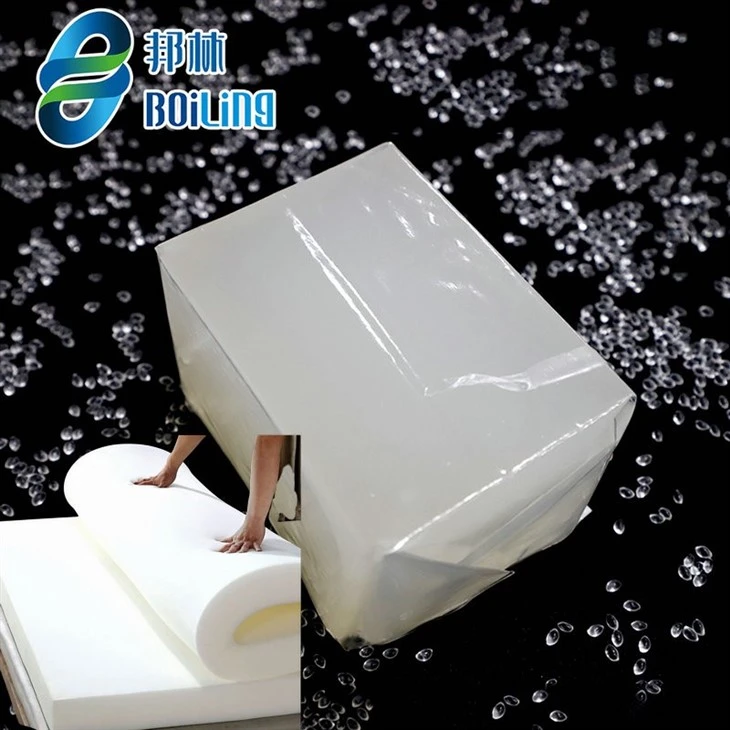
Regularly inspect the stored glue for any signs of damage, such as leaks, discoloration, or changes in consistency. If you notice any issues, isolate the affected glue and determine whether it is still usable.
Conclusion
Storing unused mattress glue properly is crucial for maintaining its quality and performance. By considering factors such as temperature, humidity, light, storage containers, shelf life, safety, and inventory management, you can ensure that the glue remains in good condition until it is ready to be used.
If you are in the market for high - quality mattress glue or have any questions about storage or product selection, we are here to help. Our team of experts can provide you with more detailed information and guidance. Contact us to start a procurement discussion and find the best mattress glue solutions for your needs.
References
- "Handbook of Adhesive Technology" by A. Pizzi and K. L. Mittal
- "Adhesives and Sealants Technology" Journal