

Envelope sealing glue is a crucial component in the packaging industry, ensuring that envelopes remain securely closed during transit. As a supplier of envelope sealing glue, I often receive inquiries about the ingredients that make up this essential product. In this blog post, I will delve into the various components of envelope sealing glue, their functions, and how they contribute to the overall performance of the adhesive.
Base Polymers
The foundation of envelope sealing glue is typically a base polymer. These polymers provide the adhesive with its basic bonding properties and determine many of its physical characteristics. One of the most commonly used base polymers in envelope sealing glue is polyvinyl acetate (PVA). PVA is a synthetic polymer that is known for its excellent adhesion to paper and other porous materials. It forms a strong bond when it dries, which helps to keep the envelope sealed.
Another popular base polymer is acrylic. Acrylic polymers offer a high level of flexibility and durability, making them suitable for envelopes that may be subjected to bending or folding during handling. They also have good resistance to moisture and temperature changes, which is important for maintaining the integrity of the seal over time.
In some cases, rubber-based polymers are used in envelope sealing glue. Natural rubber and synthetic rubbers such as styrene-butadiene rubber (SBR) can provide a strong, elastic bond. Rubber-based adhesives are often used in applications where a high degree of tack is required, allowing the envelope to be sealed quickly and easily.
Plasticizers
Plasticizers are added to envelope sealing glue to improve its flexibility and workability. They help to reduce the brittleness of the adhesive and make it easier to apply. By lowering the glass transition temperature of the base polymer, plasticizers ensure that the glue remains soft and pliable even at low temperatures.
Common plasticizers used in envelope sealing glue include phthalates and adipates. These chemicals are added in small amounts to adjust the properties of the adhesive. However, in recent years, there has been increasing concern about the potential health and environmental impacts of phthalates. As a result, many manufacturers are now turning to alternative plasticizers that are considered to be safer.
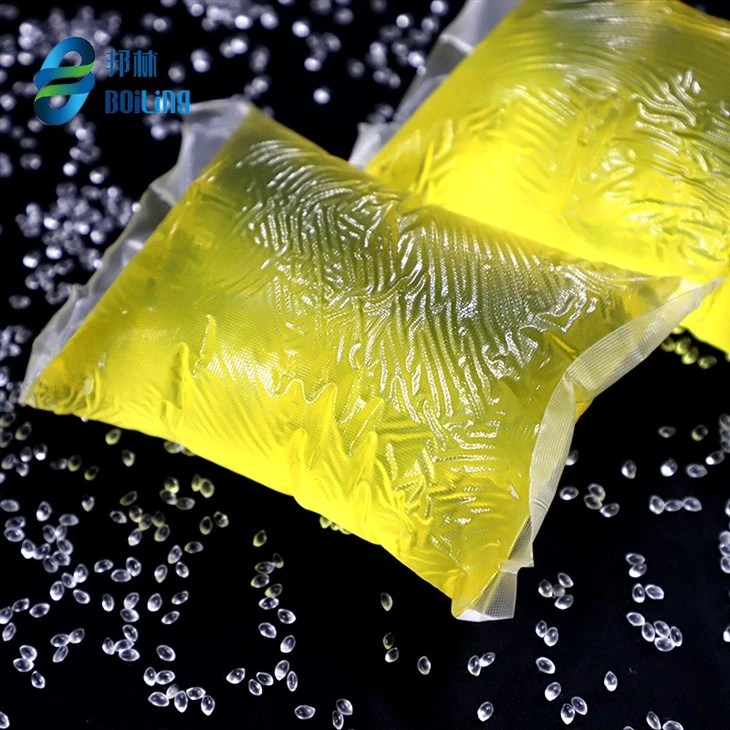

Tackifiers
Tackifiers are substances that increase the tackiness of the adhesive. They make the glue sticky when it is first applied, allowing it to bond quickly to the surface of the envelope. Resins are commonly used as tackifiers in envelope sealing glue. For example, rosin-based resins are derived from pine trees and have been used in adhesives for many years. They provide a high level of tack and are compatible with a variety of base polymers.
Hydrocarbon resins are another type of tackifier that is often used. These resins are synthetic and offer good adhesion, heat resistance, and aging properties. They can be tailored to meet the specific requirements of different envelope sealing applications.
Fillers
Fillers are added to envelope sealing glue for several reasons. They can reduce the cost of the adhesive by replacing some of the more expensive base polymers. Fillers can also improve the physical properties of the glue, such as its strength, stiffness, and abrasion resistance.
Common fillers used in envelope sealing glue include calcium carbonate, talc, and clay. These materials are inexpensive and readily available. They are typically added in small amounts to the adhesive formulation to achieve the desired balance of properties.
Solvents
Solvents are used in some types of envelope sealing glue to dissolve the base polymer and other ingredients, making it easier to apply the adhesive. Water is the most commonly used solvent in water-based envelope sealing glues. Water-based adhesives are environmentally friendly and easy to clean up. They are also safe to use in most applications.
In some cases, organic solvents such as toluene, xylene, or acetone may be used in solvent-based envelope sealing glues. Solvent-based adhesives offer fast drying times and high bond strength. However, they are more hazardous to handle and can release volatile organic compounds (VOCs) into the environment.
Additives
Various additives may be included in envelope sealing glue to enhance its performance. For example, antioxidants are added to prevent the adhesive from oxidizing and deteriorating over time. Preservatives are used to inhibit the growth of bacteria and fungi in water-based adhesives.
UV stabilizers can be added to protect the adhesive from the damaging effects of ultraviolet light. This is particularly important for envelopes that may be exposed to sunlight during storage or transit.
Applications and Related Products
Envelope sealing glue has a wide range of applications, from standard business envelopes to large mailing envelopes. In addition to envelope sealing, the technology behind these adhesives is also used in other packaging applications. For example, Courier Bag Hot Melt Adhesive is used to seal courier bags, providing a strong and reliable bond. Ecommerce Packaging Hot Melt is designed for the specific needs of e-commerce packaging, ensuring that packages are securely sealed during shipping. Hot Melt Glue Adhesive For Courier Parcel Bag is another product that utilizes similar adhesive technology to keep courier parcel bags closed.
Conclusion
The ingredients of envelope sealing glue play a crucial role in determining its performance and suitability for different applications. By carefully selecting the base polymers, plasticizers, tackifiers, fillers, solvents, and additives, manufacturers can create adhesives that meet the specific requirements of their customers.
As a supplier of envelope sealing glue, I am committed to providing high-quality products that are both effective and environmentally friendly. If you are in the market for envelope sealing glue or any of our related products, I encourage you to contact us to discuss your specific needs. Our team of experts is ready to assist you in finding the right adhesive solution for your packaging requirements.
References
- "Handbook of Adhesive Technology" by A. Pizzi and K. L. Mittal
- "Adhesives and Sealants Technology: Chemistry and Applications" by C. A. Dostal